
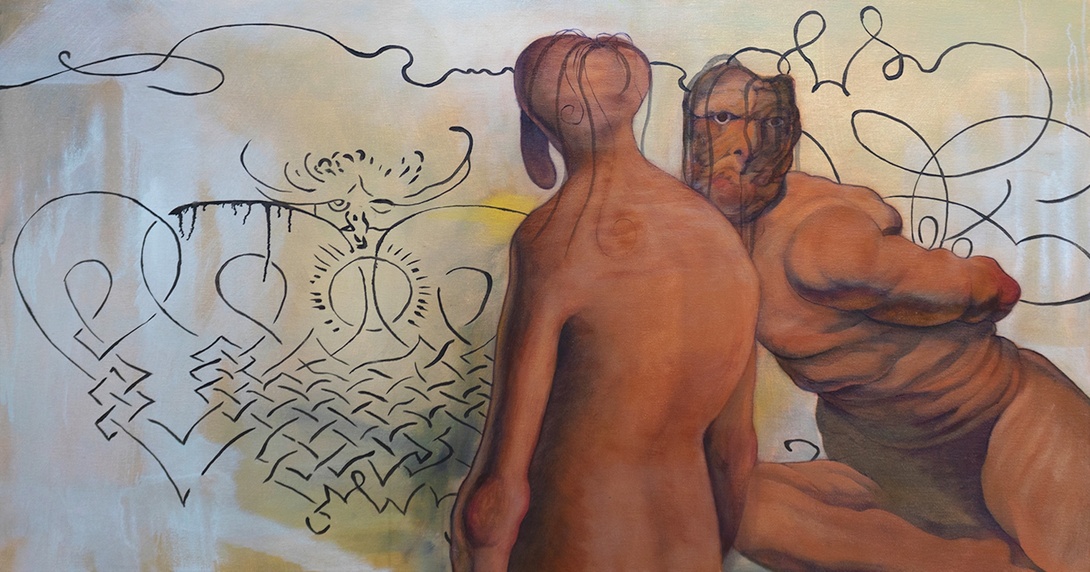
Justin Ortiz: Will I Live Again
Closing Reception: June 27, 3-5pm
Babst Gallery is pleased to present Will I Live Again, a solo exhibition of new paintings by Justin Ortiz. In his works, Ortiz returns again and again to the same figure, among fractured cities and ancient faces.
Historical through-lines run deeply within Ortiz's work: Dürer’s gestures filtered through Sigmar Polke, Greek sculptural forms refracted through Jordaens and Rubens. This history-honed imagery still carries a visual charge—even if stripped of its context, ungendered, and pushed toward abstraction. For Ortiz, art history is neither burden nor authority, but raw material.
His paintings are built slowly. Ortiz begins in greyscale over an amber ground, then layers thin oil glazes until the underpainting shines through. Little can be changed once the composition is locked into place, a constraint that Ortiz deliberately courts. Foreground and background push and pull as the figure persists between them.
Justin Ortiz (b. 1998, Sleepy Hollow, NY) lives and works in Los Angeles, CA. He began painting as a teen while under a classical apprenticeship, and earned his Bachelors of Fine Arts at the School of the Art Institute of Chicago. His work has been shown in various venues in New York, Chicago, and Los Angeles. Most recently his work was included in Sizzler, curated by Grant Edward Tyler in Los Angeles.
Exhibition text by Marie Heilich:
Yes
A return has been expected for some time now. Word of it echoes beneath language, through estranged plazas and empty alleys, moving west through wet clay and cavern mouths, up from cavities of a chthonic unconscious. In anticipation, streets buckle into tissue ribbon and walls tilt from yielding ground. Fumaroles cough up shale, herringbone cobblestone splays, and shingles of basalt slick with dusk rearrange themselves. The skin of the world erodes until every hollow is flooded with such an unspeakable rumor.
This eternal return, not theirs, but ours, is present upon arrival.
Distance is compressed by the cartilage of a fourth dimension where rippled tendons burnish a fatigued figure, time-knotted with the concentration of passage. From an implacable expression, this subject-less consecration meets every eye, suspending the world in a fever dream of the oldest allegory. Its universal body is a corporeal costume, a decoy, a shell passed through centuries of sinewy strata, valleys of pulse, and lithic sleep.
From the driest bone comes the marrow of life. In contrapposto turns, the hulking revenant strains gravity, crouching, reaching, calcified in the solemnity of ruin. With thighs pressed into the bevel of a street pitched too sharply, the figure bends with the same strange weight that warps bentonite facades. Impoverished viscera turns sigil to silhouette and abdomen to glyph. The unreal tethers to the hyperreal in the flex of infinite muscles under the anonymous light of a split moon. Suddenly resurrection returns in many names.
A face as detachable as a prophecy of prosthesis wears its doubleness: preserved and weather-carved, figure as effigy, subject as surface. Its countenance makes for an overripe icon, a past likeness withered after circulating through lung, canal, crypt, and kiln. Strips of flesh pull through the undertow of mortality, under a city’s shallow instability where atavistic urban exteriors rise around ossuary voids. Here, homuncular figures drift across fields and pitched planes as emissaries from another order of scale, seeding paranoia along their way-less journey: afterall, alienation loves company.
In painting’s native tongue, kneaded by history, the quotation is a digested palimpsest turned Geist, turned time-warp, vibrating the scales of reality. Flemish origins return to a scene of abundant erotic bloom as grapes gathered in a young woman’s hands become wine in the old woman’s pour: ripeness spilling into fermented age, quickened and thickened from oral accounts of survivors’ testimonies. A Bacchic celebration of sweetness has become fortified potency, pressing time until intoxication, madness, and grief spend and revive the body at once, sediment torquing the density of destiny.
Archaic excess recomposes a timeless corpus where desiccation and vivification blend into one continuous state. The ancient meaty visage transmutes the intensity of what it’s absorbed, catalyzed in the aftermath of spent belief. Reanimated, the primordial afterlife binds blood-warm temporality with the chill of primeval relics at the interlocked beginning and end of mankind.
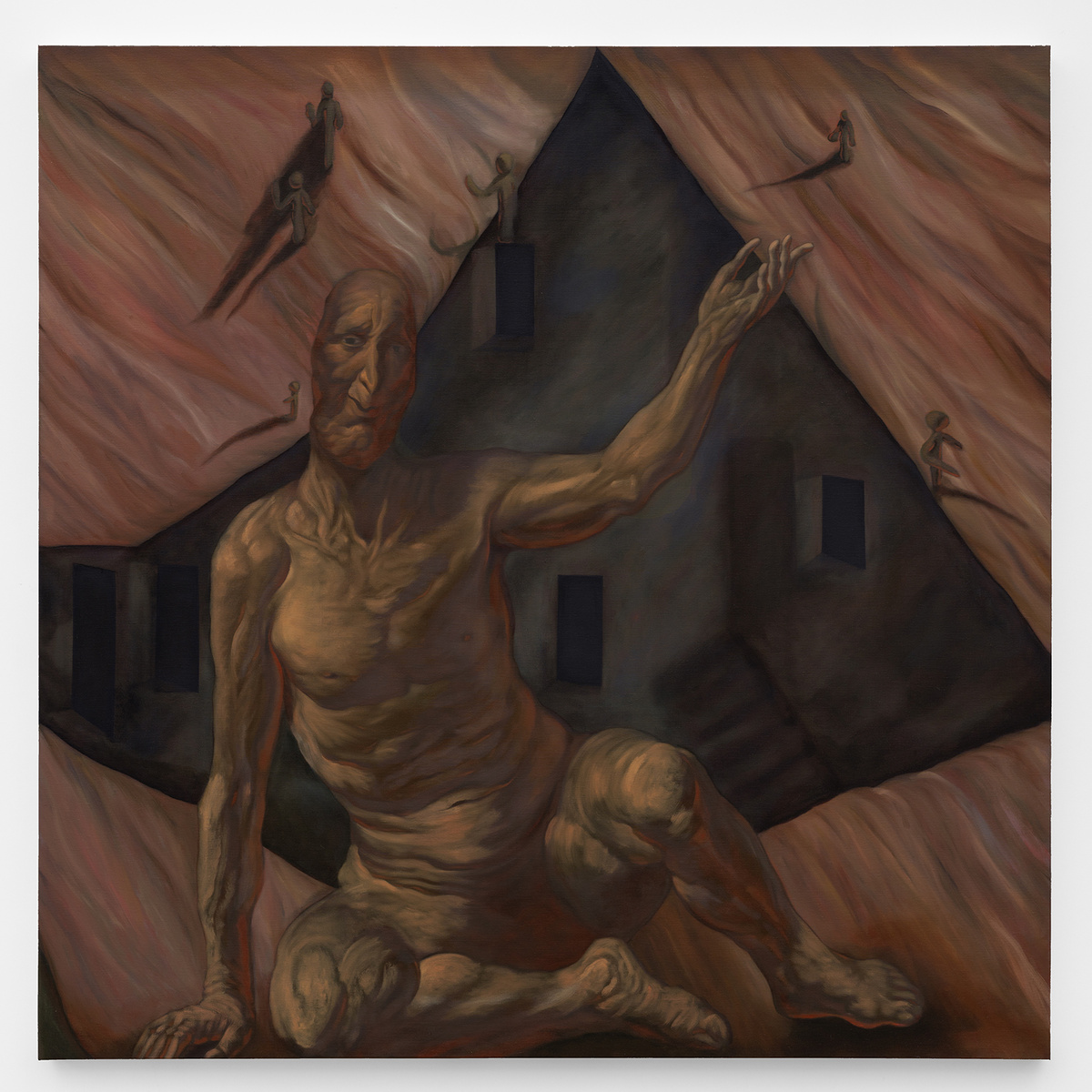
Justin Ortiz, Summoner, 2026. Oil on linen. 67 x 67 inches.
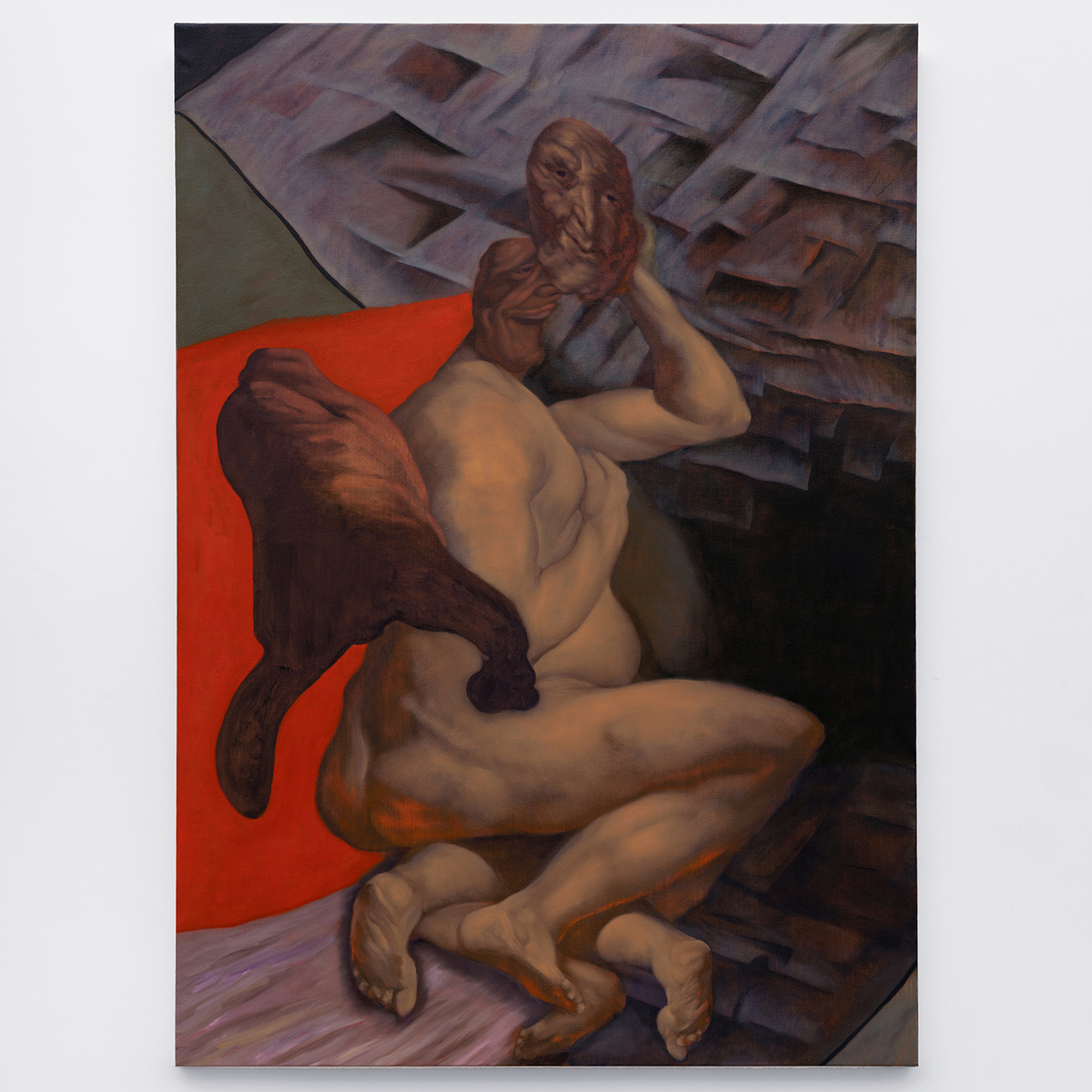
Justin Ortiz, Hat Trick, 2026. Oil on linen. 70 x 50 inches.
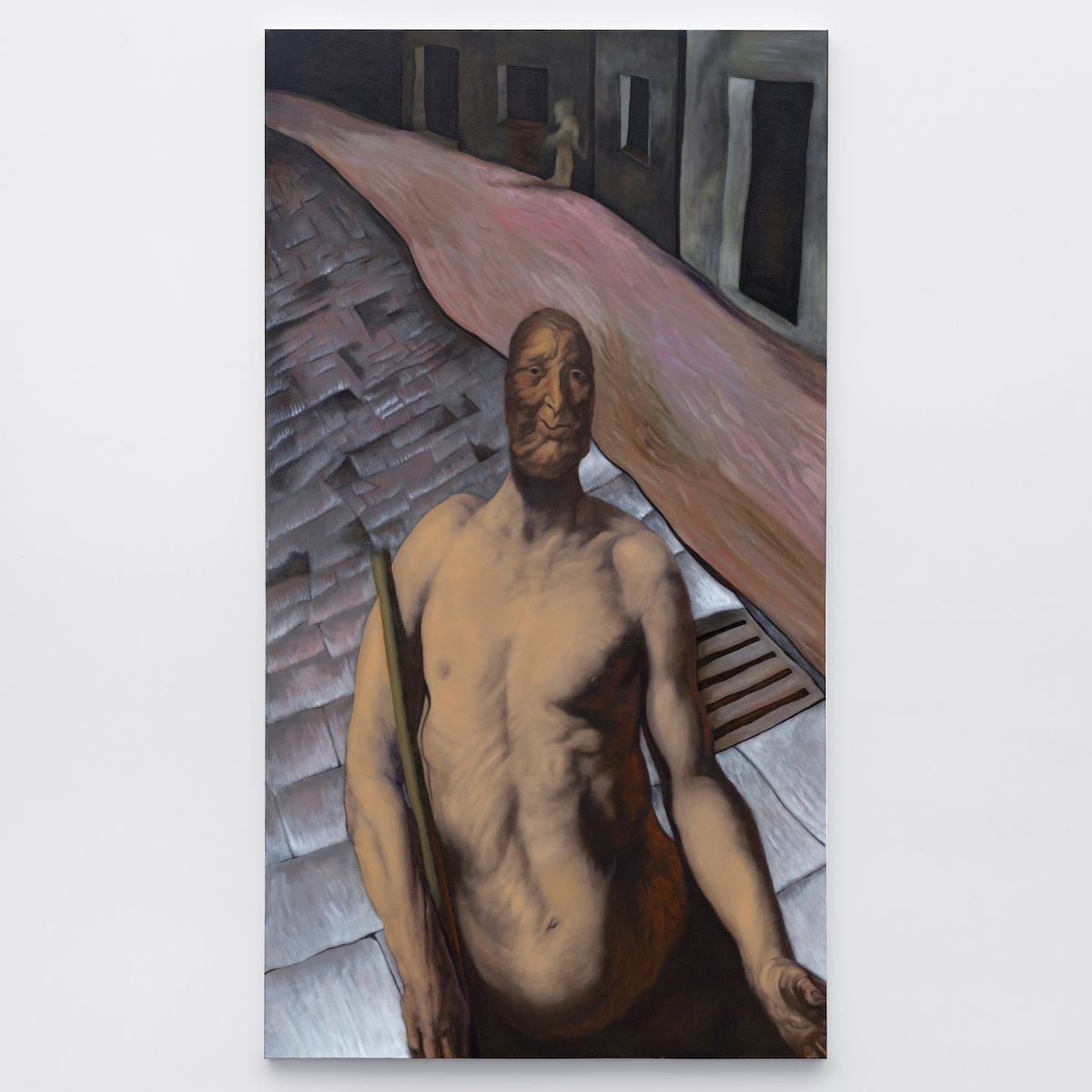
Justin Ortiz, Witness, 2026. Oil on linen. 75 x 41 inches.
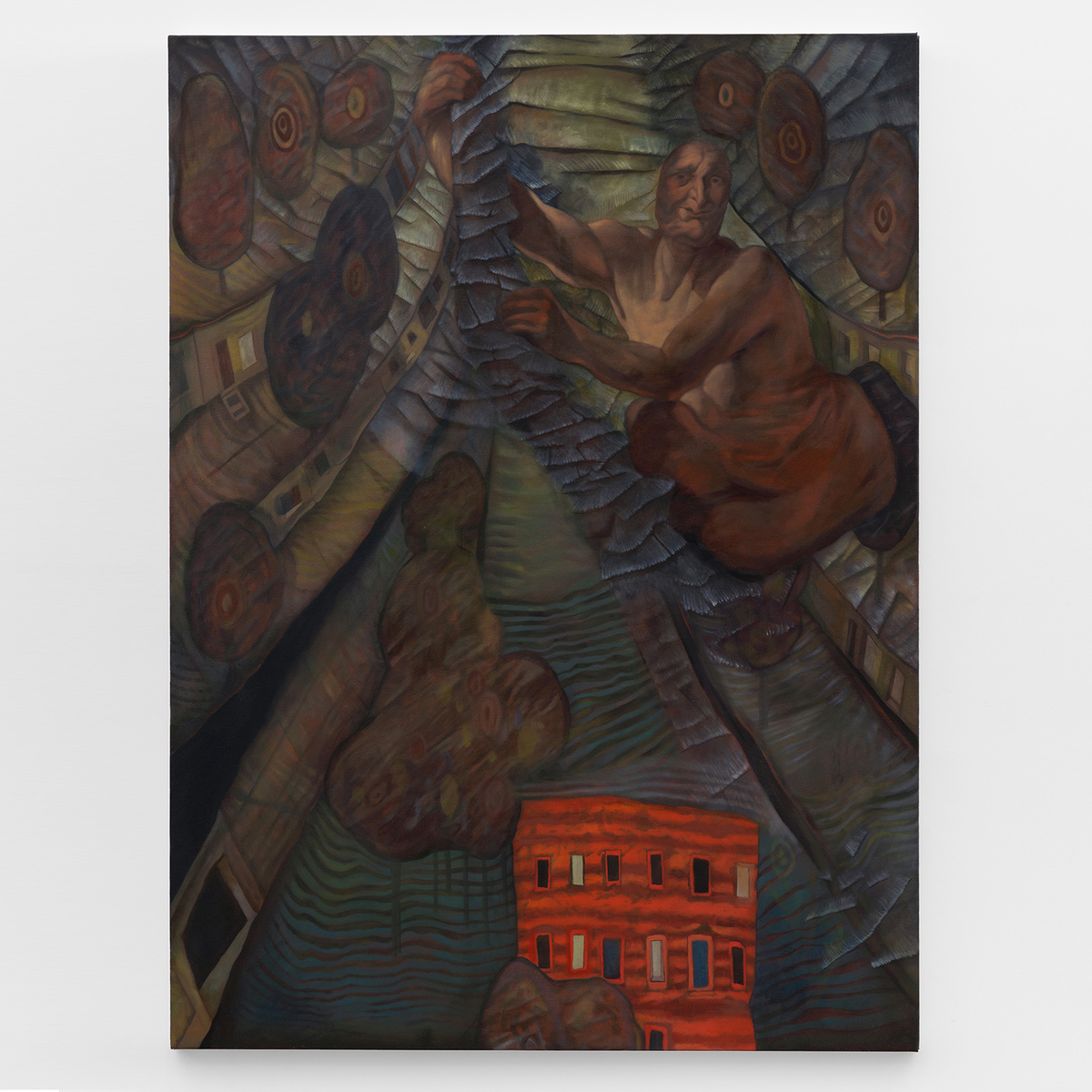
Justin Ortiz, Spider, 2026. Oil on linen. 75 x 55 inches.
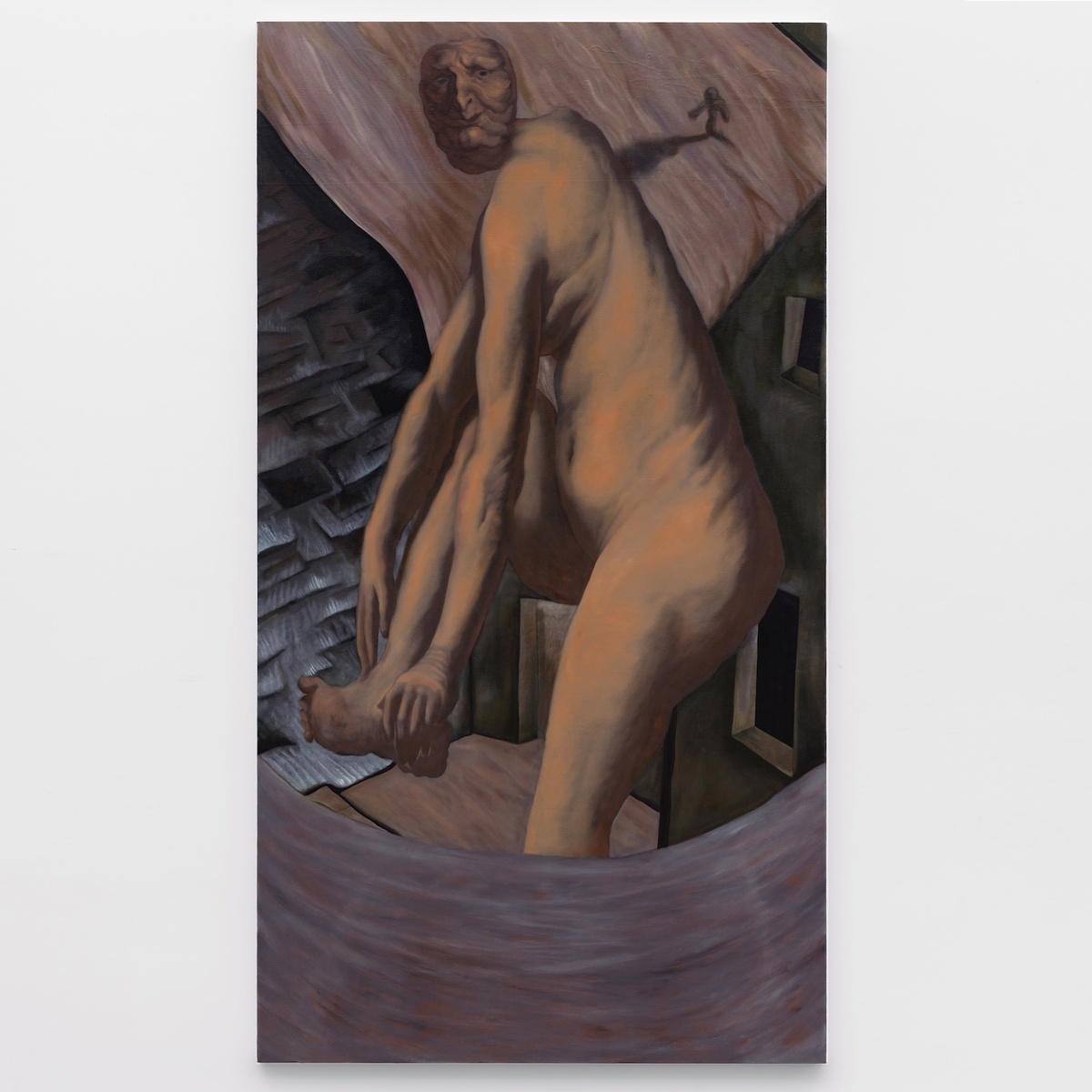
Justin Ortiz, Giant, 2026. Oil on linen. 75 x 41 inches.
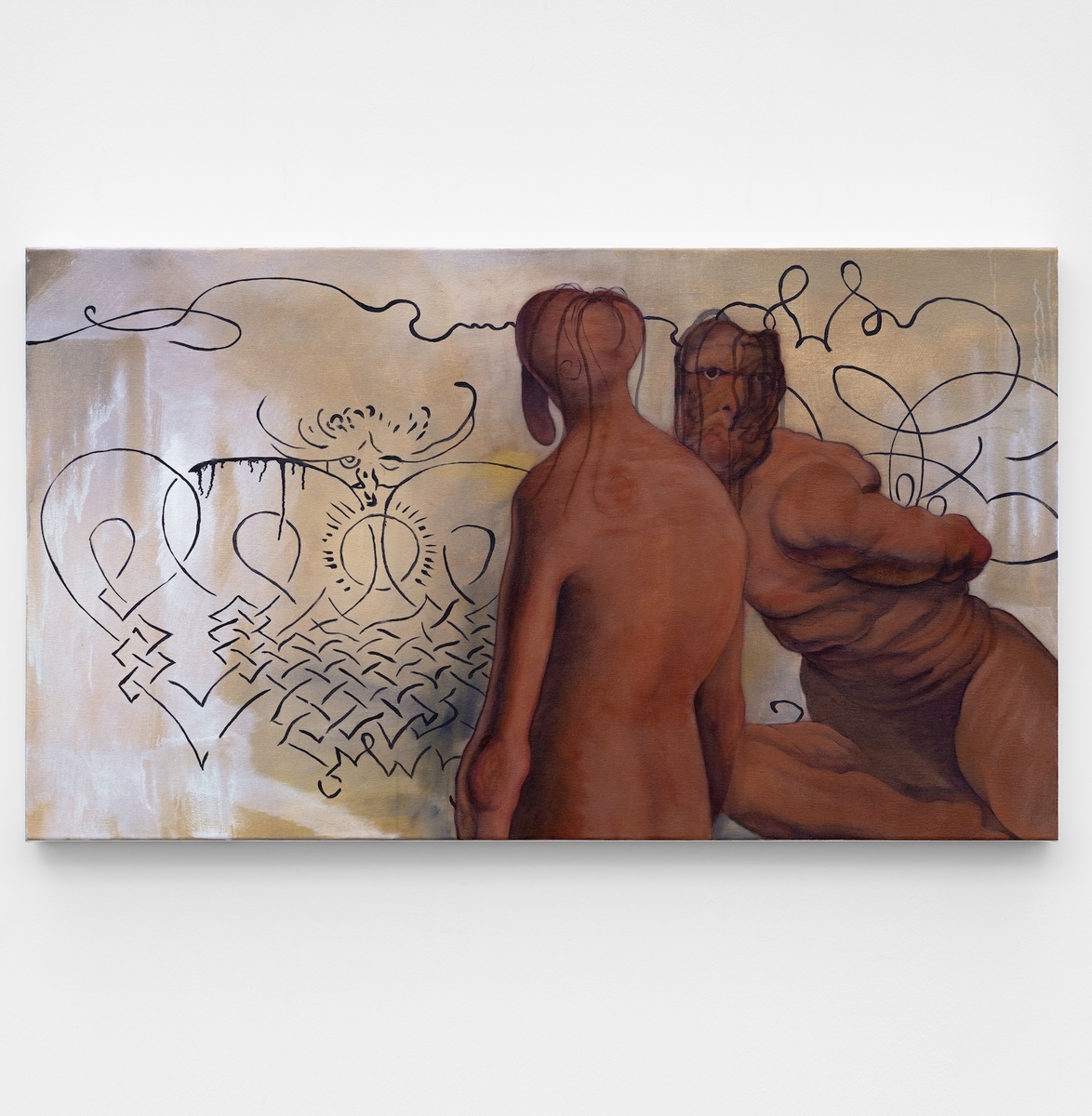
Justin Ortiz, Two Figures (after Dürer), 2024. Oil on canvas. 24 x 42 inches.
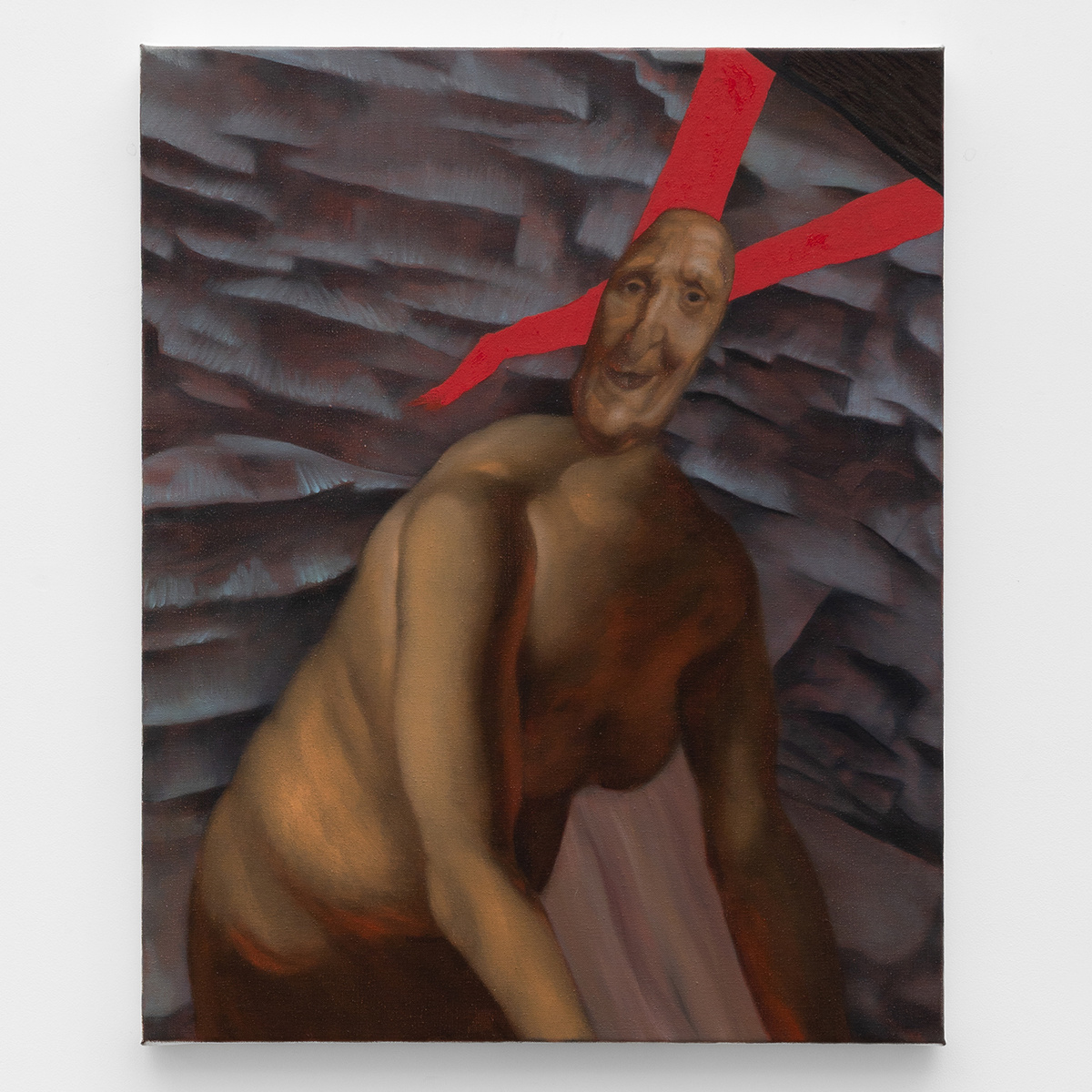
Justin Ortiz, The Fool, 2026. Oil on linen. 26 x 21 inches.
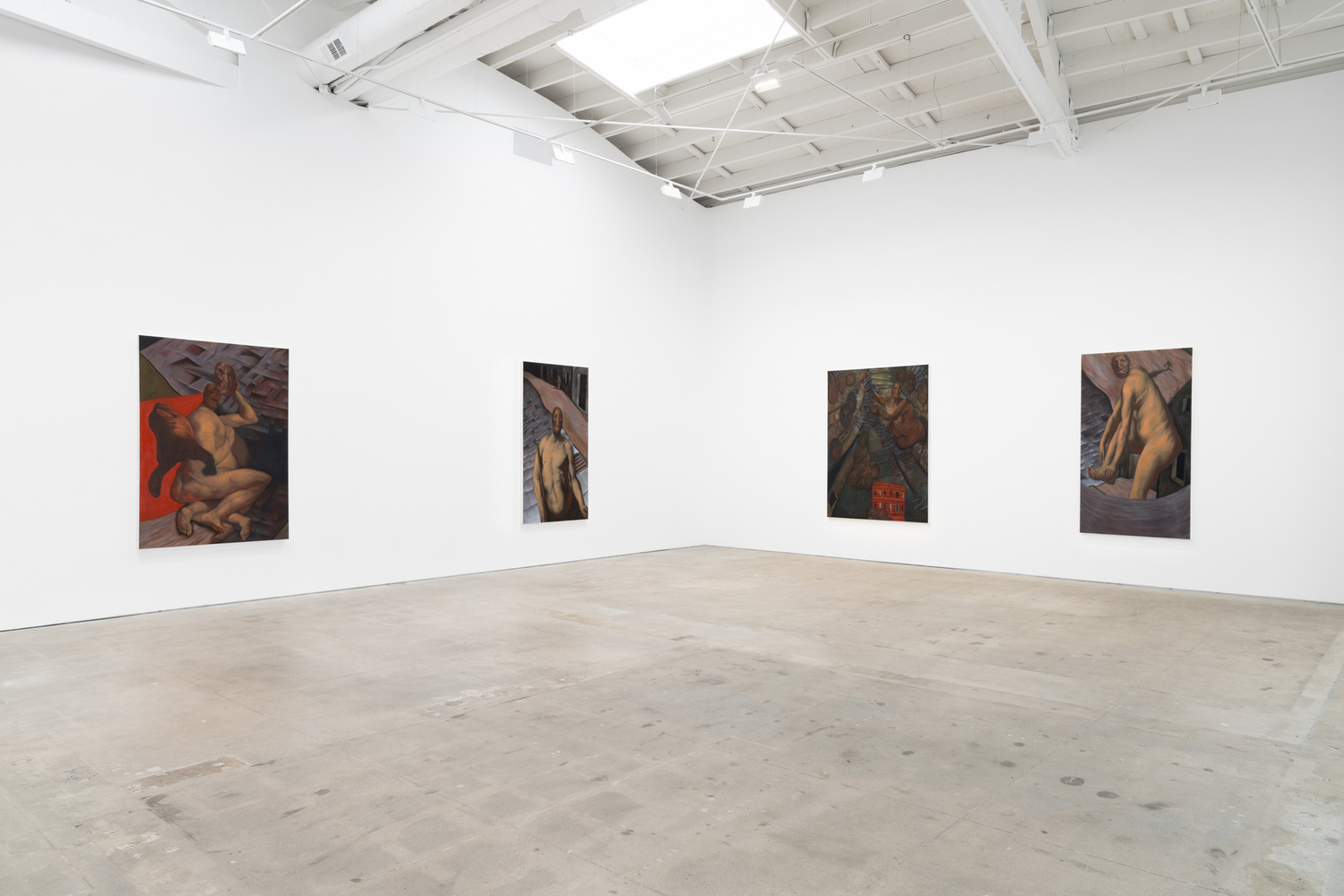
Justin Ortiz: Will I Live Again, Installation view.
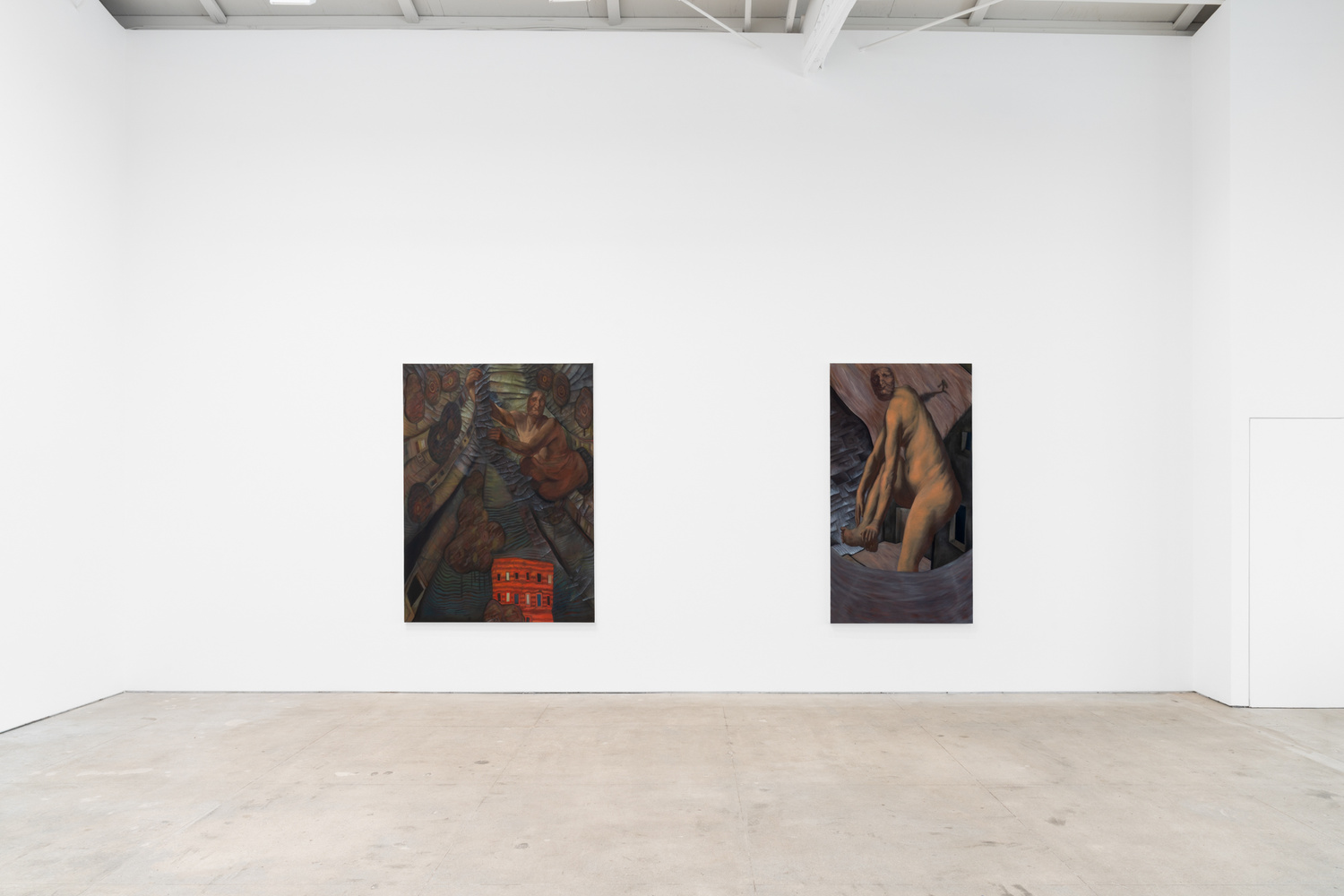
Justin Ortiz: Will I Live Again, Installation view.
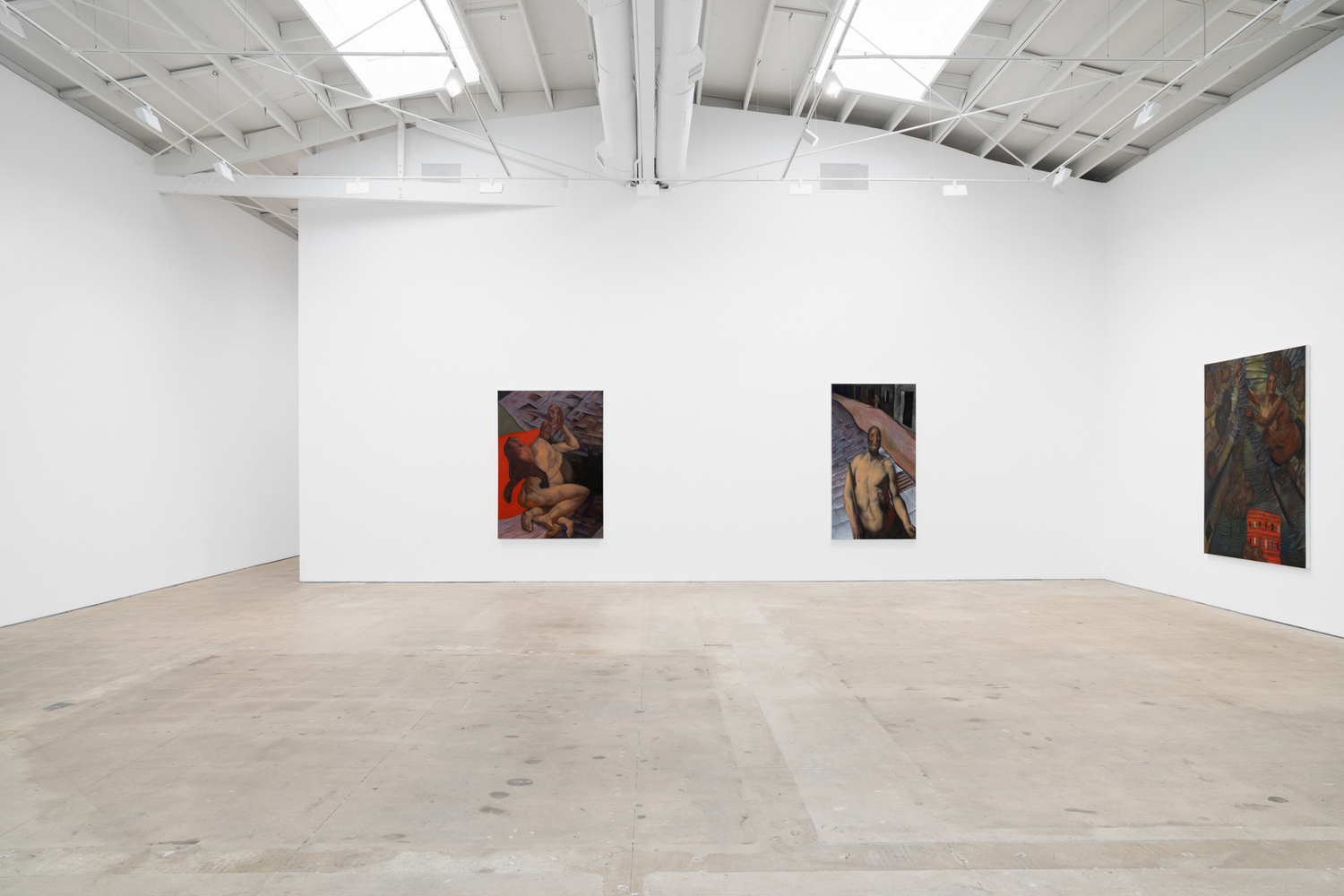
Justin Ortiz: Will I Live Again, Installation view.
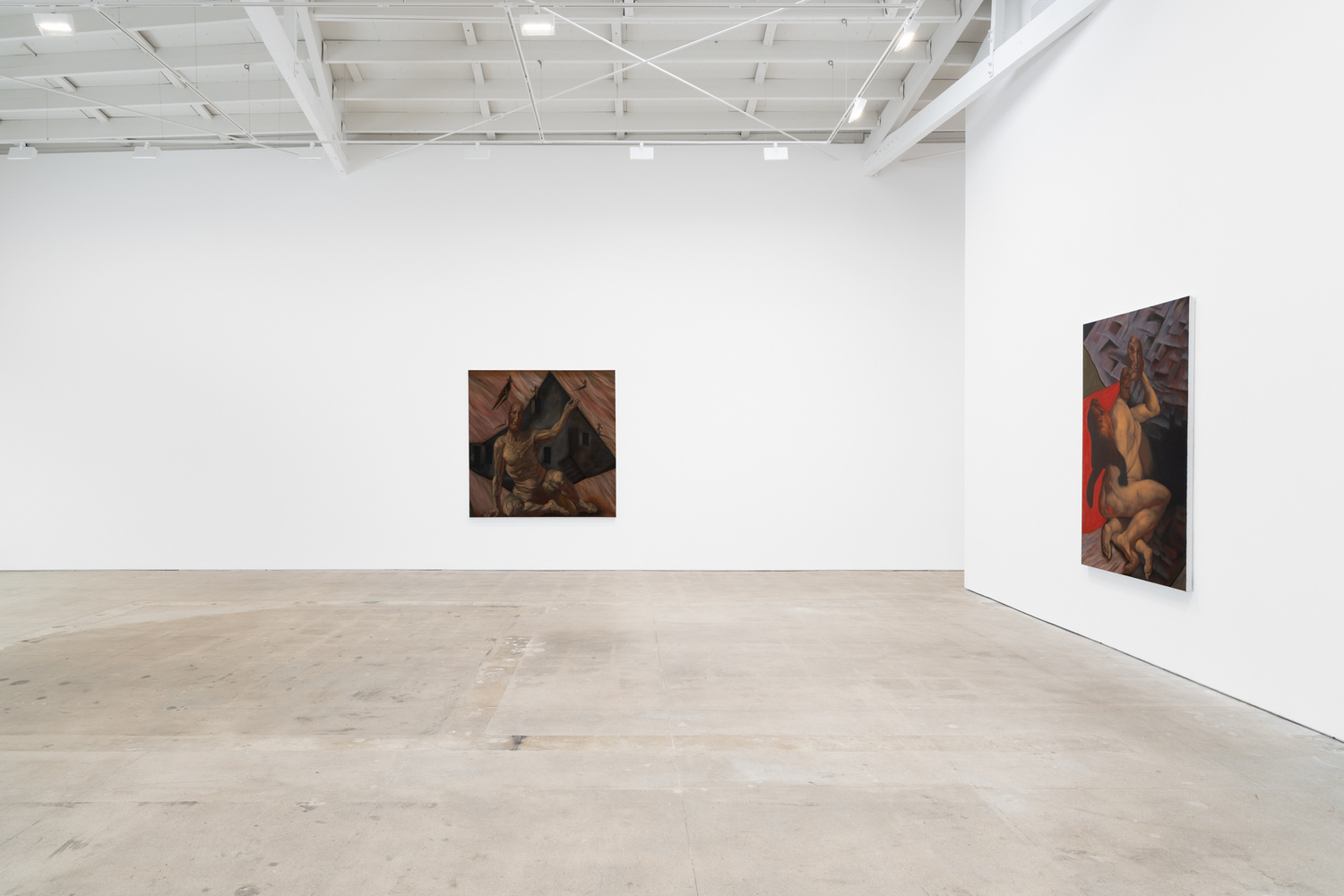
Justin Ortiz: Will I Live Again, Installation view.
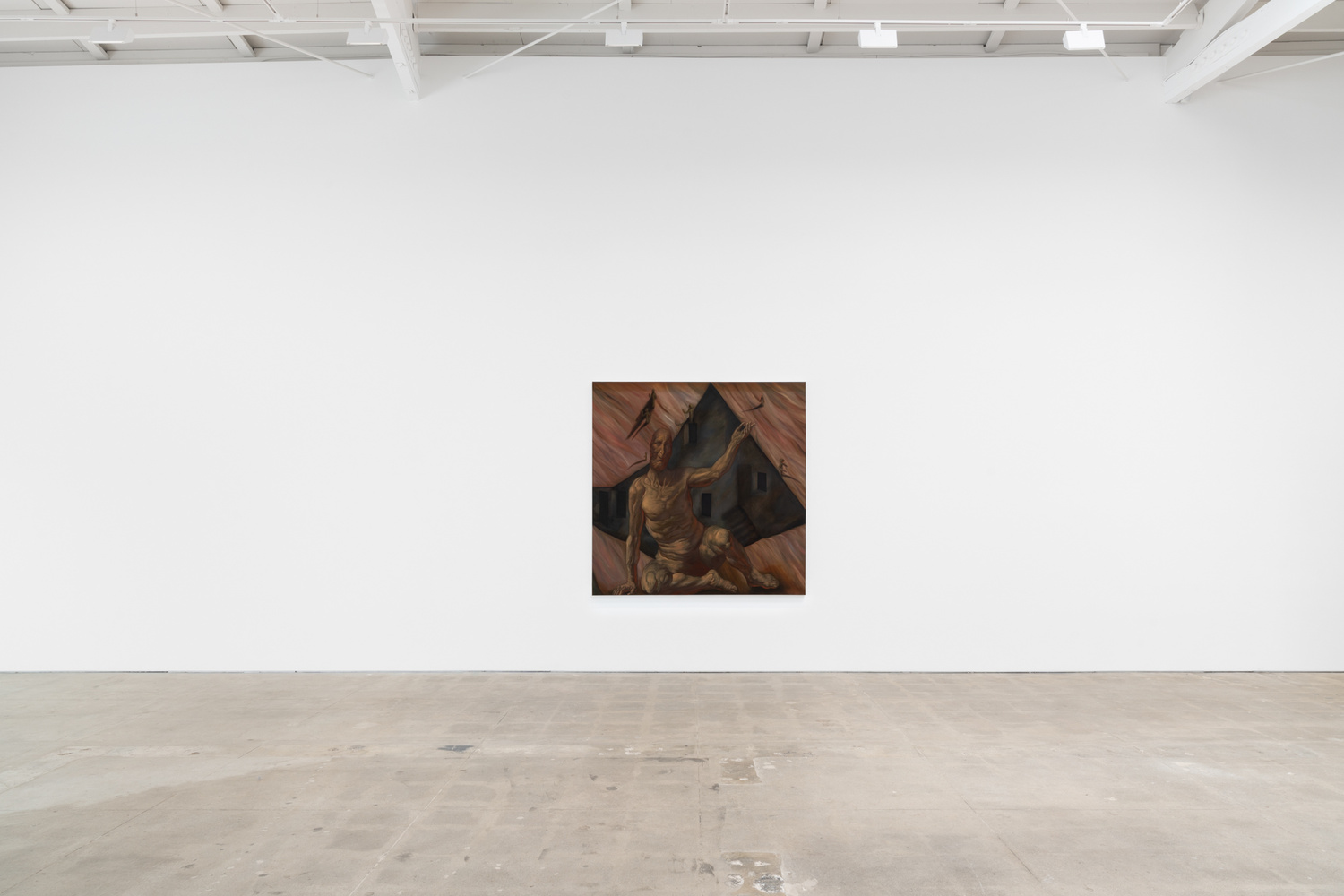
Justin Ortiz: Will I Live Again, Installation view.
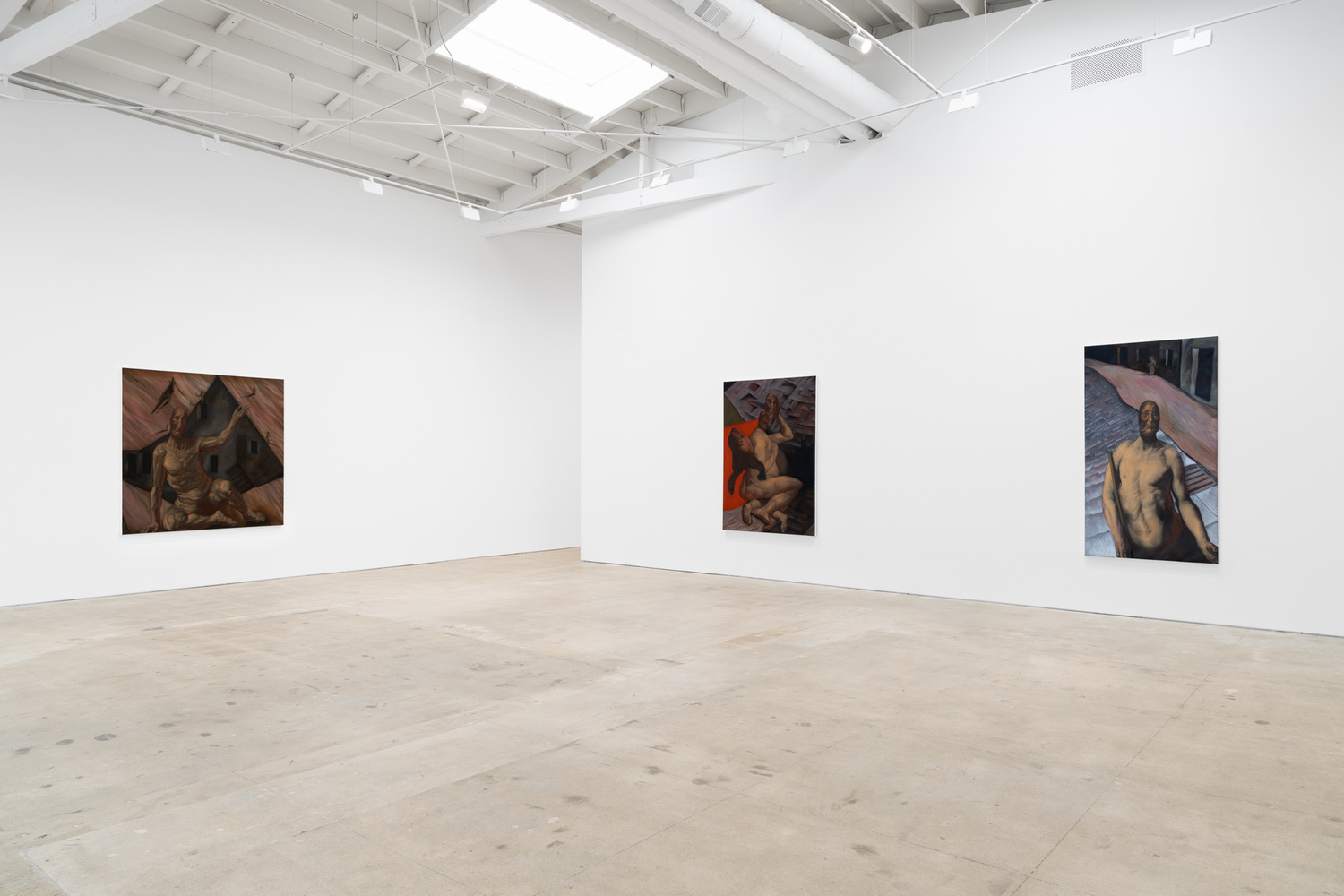
Justin Ortiz: Will I Live Again, Installation view.
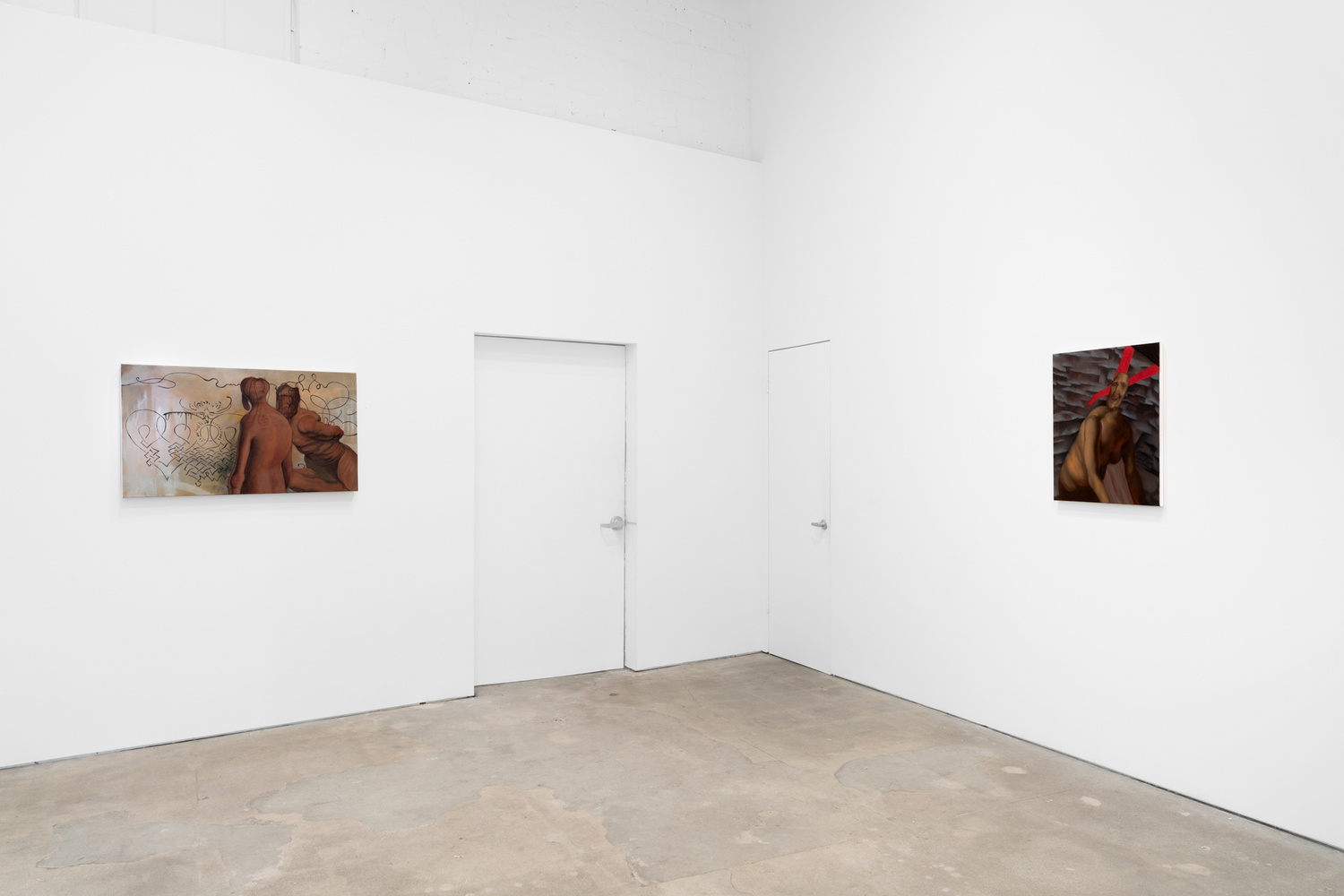
Justin Ortiz: Will I Live Again, Installation view.
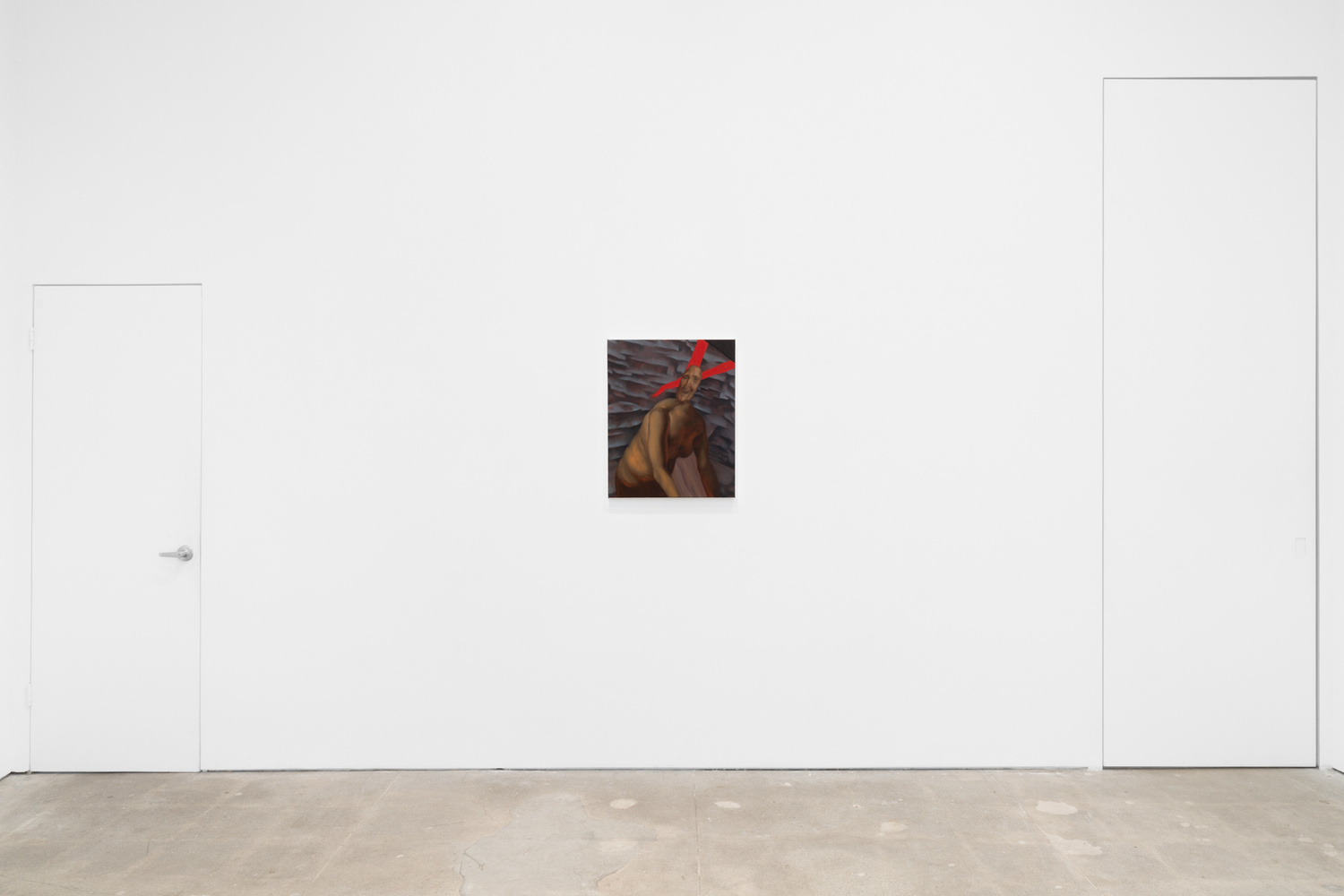
Justin Ortiz: Will I Live Again, Installation view.