
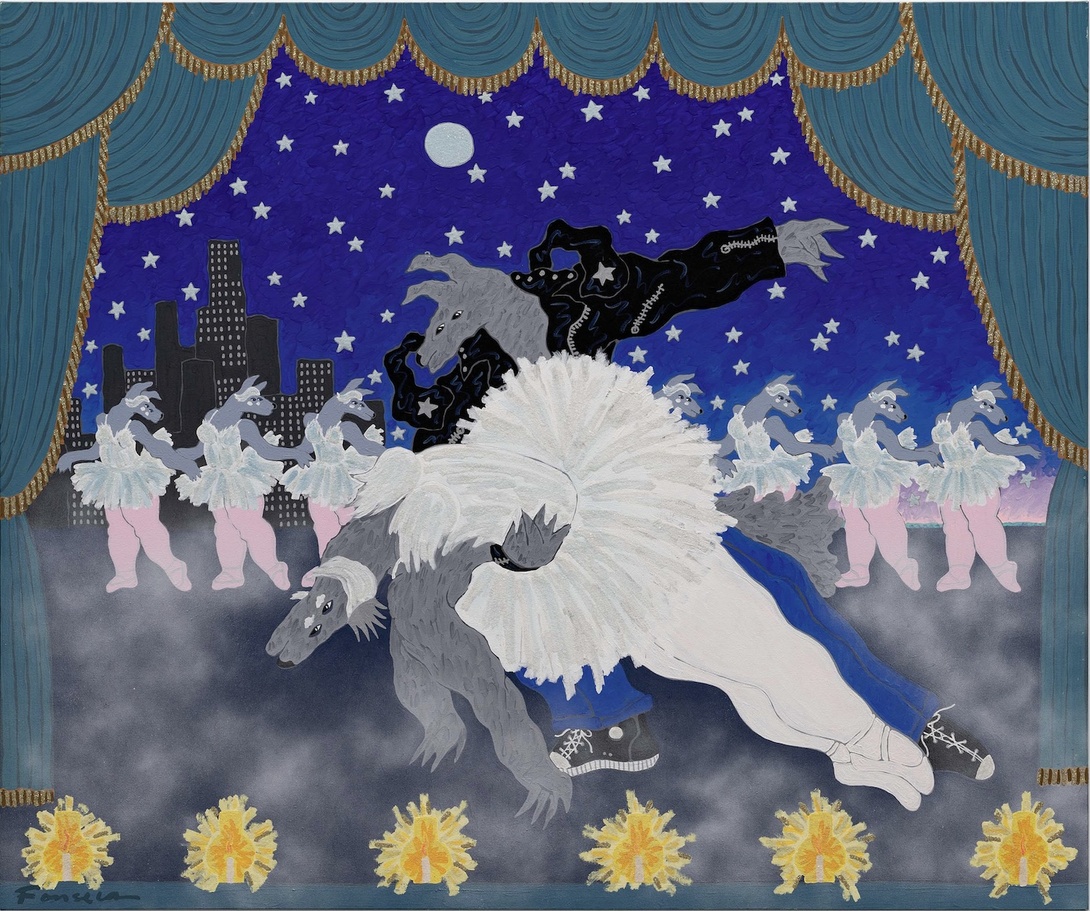
Harry Fonseca: Portrait of the Artist as a Young Coyote
Opening Reception: April 11, 6-8pm
PDC Design Galleries
700 N San Vicente, West Hollywood, CA
Babst Gallery is pleased to announce Harry Fonseca: Portrait of the Artist as a Young Coyote, an exhibition of paintings, works on paper, and prints by Harry Fonseca (1946-2006, Nisenan Maidu/ Portuguese/ Hawaiian), which will be from view April 11th through July 3rd, 2026 at The Pacific Design Center Design Gallery on the PDC Campus at 700 N. San Vicente Blvd. in West Hollywood. Widely considered one of the most prominent Native artists from California, Fonseca is recognized by his use of his distinct representation of his Coyote figure. Alongside the exhibition is Sedej Tuulémisé (Blood Relations), an exhibition of paintings by emerging artist Deerstine Suehead (Nisenan/Maidu/Seneca). Born fifty years apart, these artists draw from their Nisenan heritage and recontextualize traditional imagery within contemporary settings.
Harry Fonseca (1946-2005, Sacramento, CA) was an enrolled member of the Shingle Springs Band of Miwok Indians. This exhibition will chart the evolution of Harry Fonseca’s alter-ego, the Trickster Coyote, in over 30 paintings, prints and works on paper, many of which are being shown in California for the first time.
In the mid-1970s, Fonseca began portraying Coyote, a central figure in the traditional Native American dances in Northern California. From 1847, these dances were made illegal under Federal legislation– it was only until 1978 that Native Americans would receive protections under the American Indian Religious Freedom Act. Later, Fonseca began rendering Coyote in more contemporary settings—as an artist in New York City, or dressed in leather jacket, jeans, and sneakers in the Mission District in San Francisco.
Fonseca wrote, “All right, let’s go, Coyote, let’s go, let’s do a whole new mythology. Let’s bring you up from the past and bring you up to date and let’s just do it!” “The older Maidu tribes-people looked at my paintings of Coyote and immediately they were delighted. They recognized Coyote for what he is… They are survivors who have clashed with contemporary society and have had to adapt. Just like Coyote.”
During much of Fonseca’s career, contemporary Native artists were largely excluded from contemporary art settings, so Fonseca often exhibited at natural history museums and adjacent exhibitions. Understanding this dynamic, Fonseca often represented Coyote as a great artist, sometimes wearing Jackson Pollock’s denim shirt or Van Gogh’s blue jacket. Fonseca noted, “I could make him do all kinds of things that I wouldn’t have him do if MY face were up there.”
In 1981 Harry Fonseca developed Rose, a female Coyote. Although not present in traditional stories of Coyote, Harry Fonseca modeled Rose, “modern hip, brassy, singing, dancing trickster star of her own show,” after the female women of his Tribe, who showed resilience and adaptability in the face of genocide against the Indigenous people of California.
In many works in this exhibition, Fonseca inserted Coyote into stories of the traditional Western artistic canon, like the ballet “Swan Lake,” and operas “Aida" and "La Bohème." However, Fonseca refused depict the endings of these famous stories as tragedies. Fonseca said, “As soon as you’re born, you’re up against a wall. But it’s what you do when faced with obstacles that matters…The thing is, [Coyote and Rose] didn’t kill themselves and they weren’t overcome by evil. Even though they are aware of those evil elements in themselves, they didn’t let outside forces take advantage of them.”
Curator Margaret Archuleta wrote, “No matter what, Coyote never really dies; he returns for his next adventure. This symbol of survival is what Fonseca has incorporated into his paintings. ‘Coyote is a survivor’. As a survivor Coyote speaks to the contemporary Indian with a promise of continuation, a continuation of cultural ideals and identity.”
Harry Fonseca (Nisenan/Maidu/Portuguese/Hawaiian, 1946-2006) was born and raised in Sacramento and was an enrolled citizen of the Shingle Springs Band of Miwok Indians. He was influenced by the Maidu origin stories told to him by Henry Azbill. In 1990, he moved to Santa Fe, where he lived until his death in 2006. His retrospective Harry Fonseca: Coyote, A Myth in the Making, curated by Margaret Archuleta, traveled across the United States (1988-1989) including the Museum of Natural History, Los Angeles, Smithsonian Institution, Washington, D.C, Joslyn Art Museum, and Oakland Museum of California, amongst others. In 1999 he was a featured artist in Ceremonial at the Venice Biennale curated by the Native American Arts Alliance. Most recently, his work was a part of the exhibition Olé Ham Nees: We Call Him Coyote: Harry Fonseca; Works from the Shingle Springs Band Collection at the Gorman Museum of Native American Art. His work can be found in the permanent collections of San Francisco Museum of Modern Art, National Museum of the American Indian, Smithsonian, Washington, D.C., Crystal Bridges Museum of American Art, Denver Art Museum, Hood Museum, Detroit Institute of Art, Virginia Museum of Museum of Fine Art, Cantor Arts Center, the Eiteljorg, Heard Museum, the Autry Museum of the American West, amongst many others.
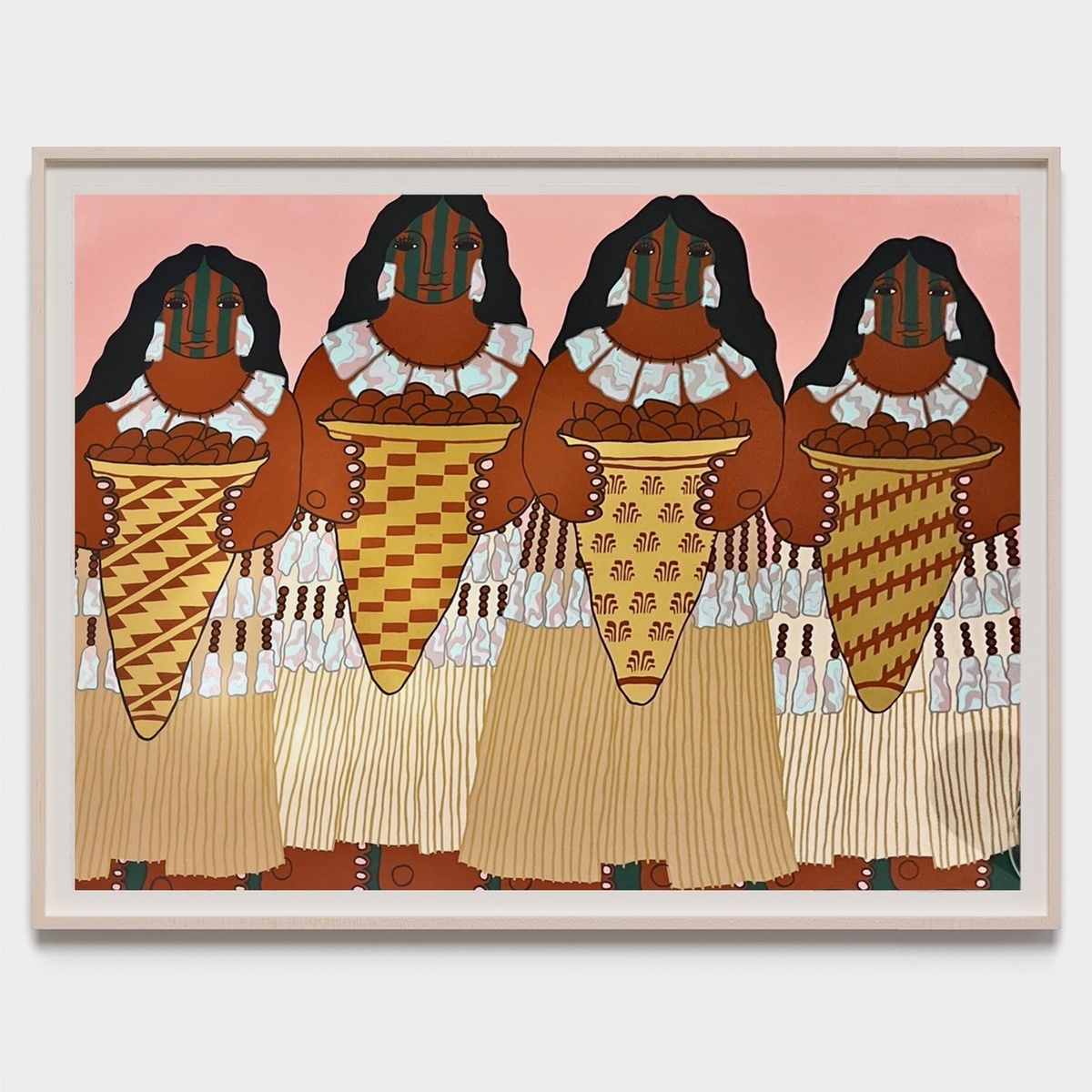
Harry Fonseca, Gift from California, 1979. Serigraph. 22 x 30 inches; Edition of 75.
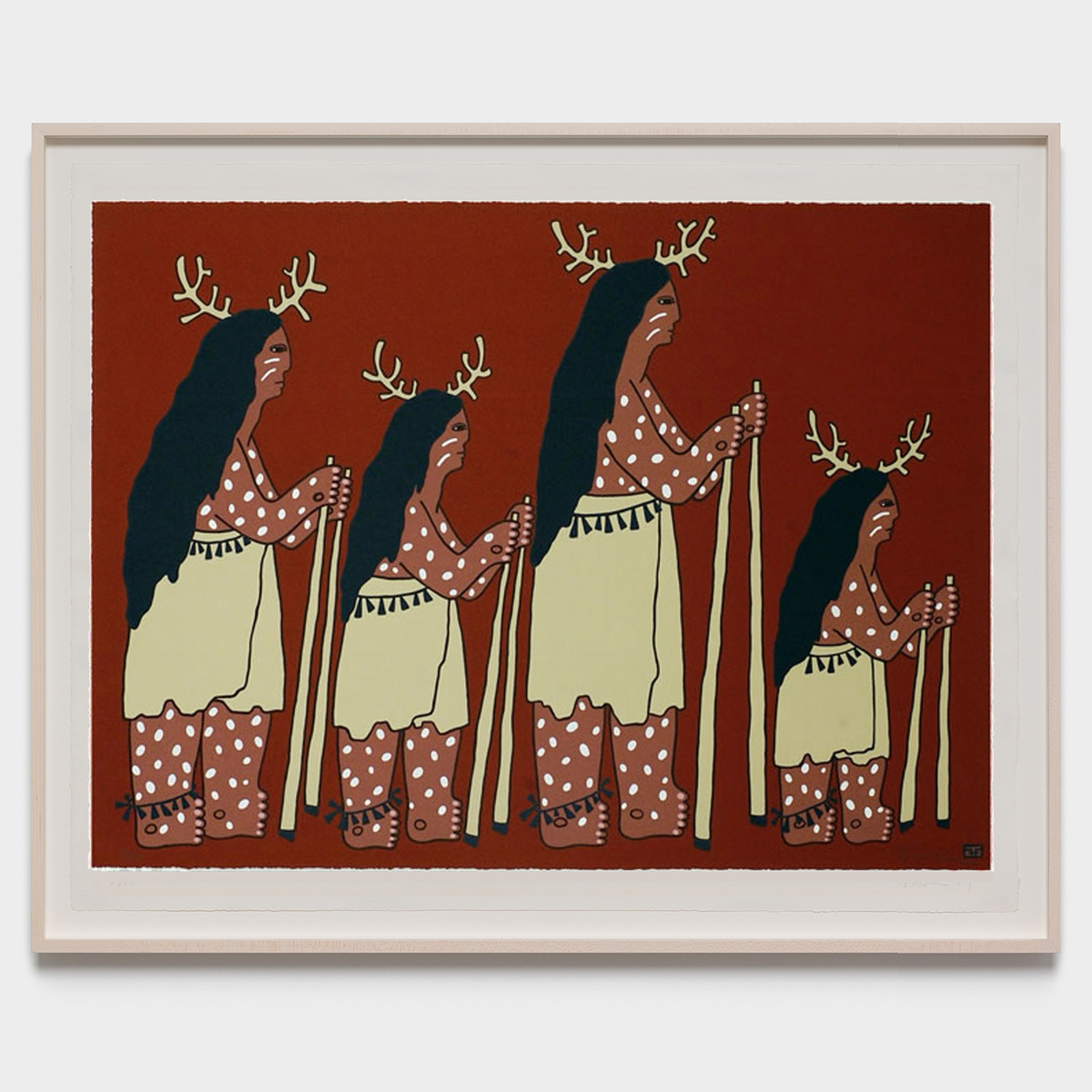
Harry Fonseca, Deer Dancers, 1979. Serigraph. 22 x 30 inches.
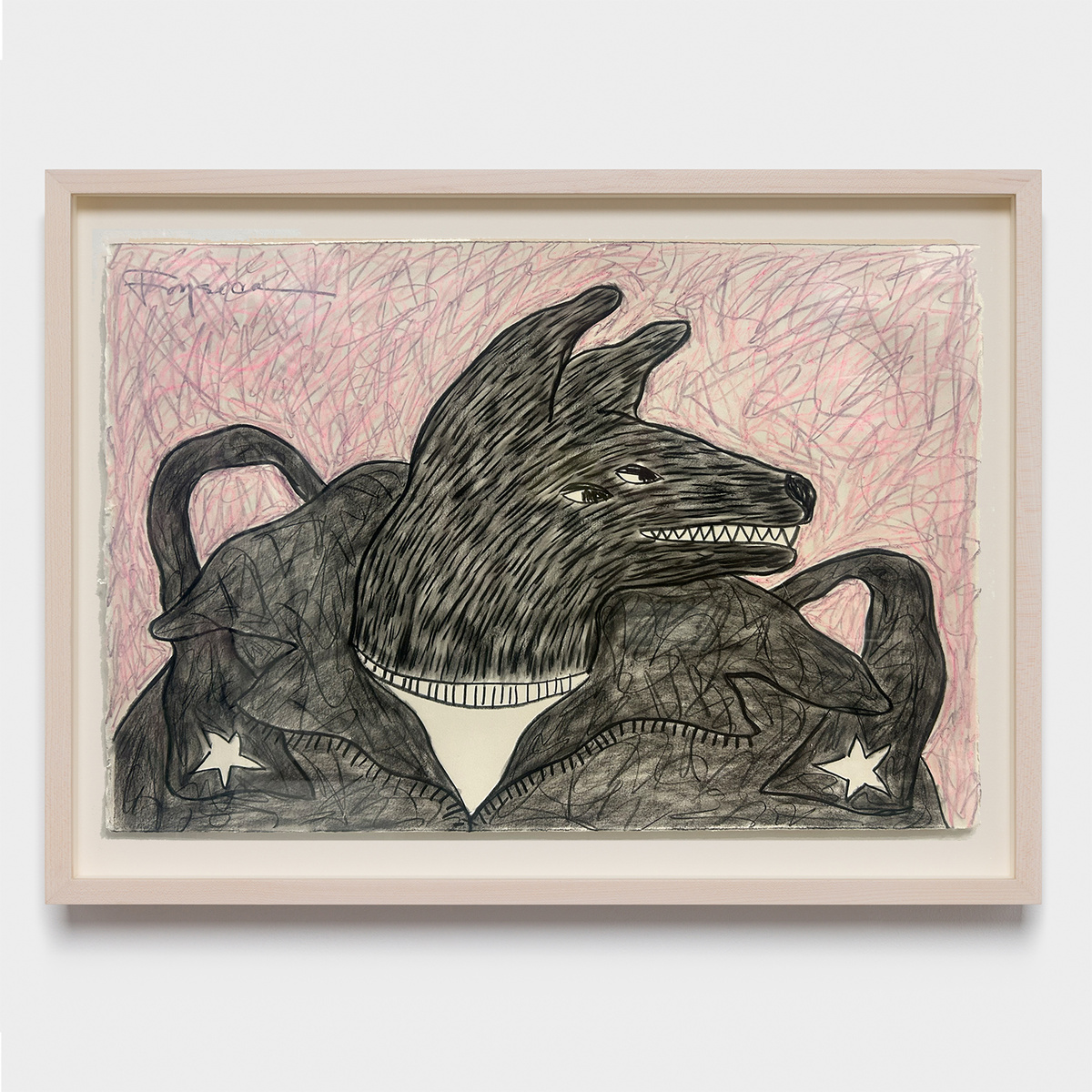
Harry Fonseca, Portrait of Coyote, 1981. Pastel on paper.
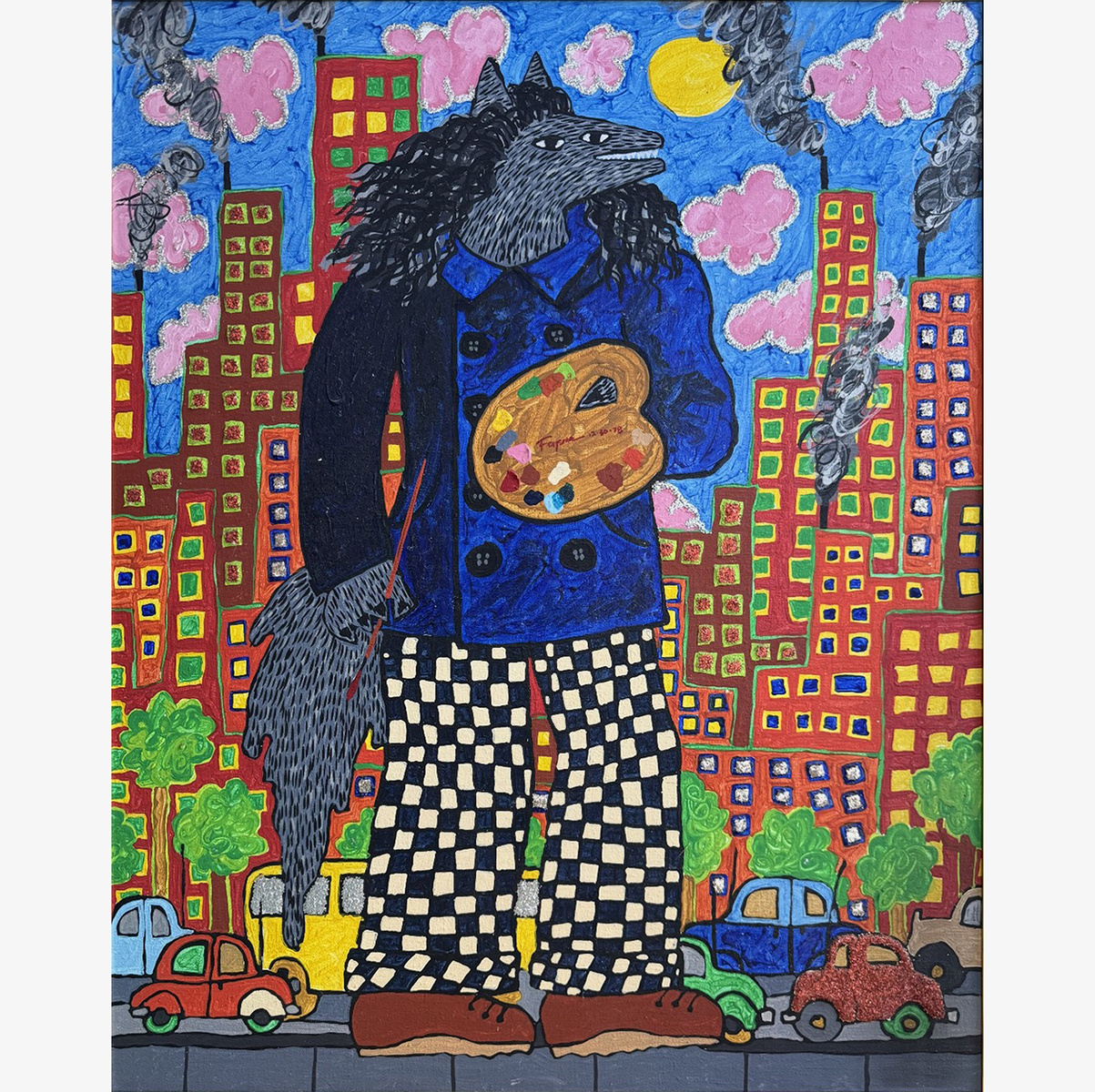
Harry Fonseca, Coyote #34, Portrait of the Artist as a Young Coyote, 1978. Acrylic and glitter on canvas. 30 x 24 inches.
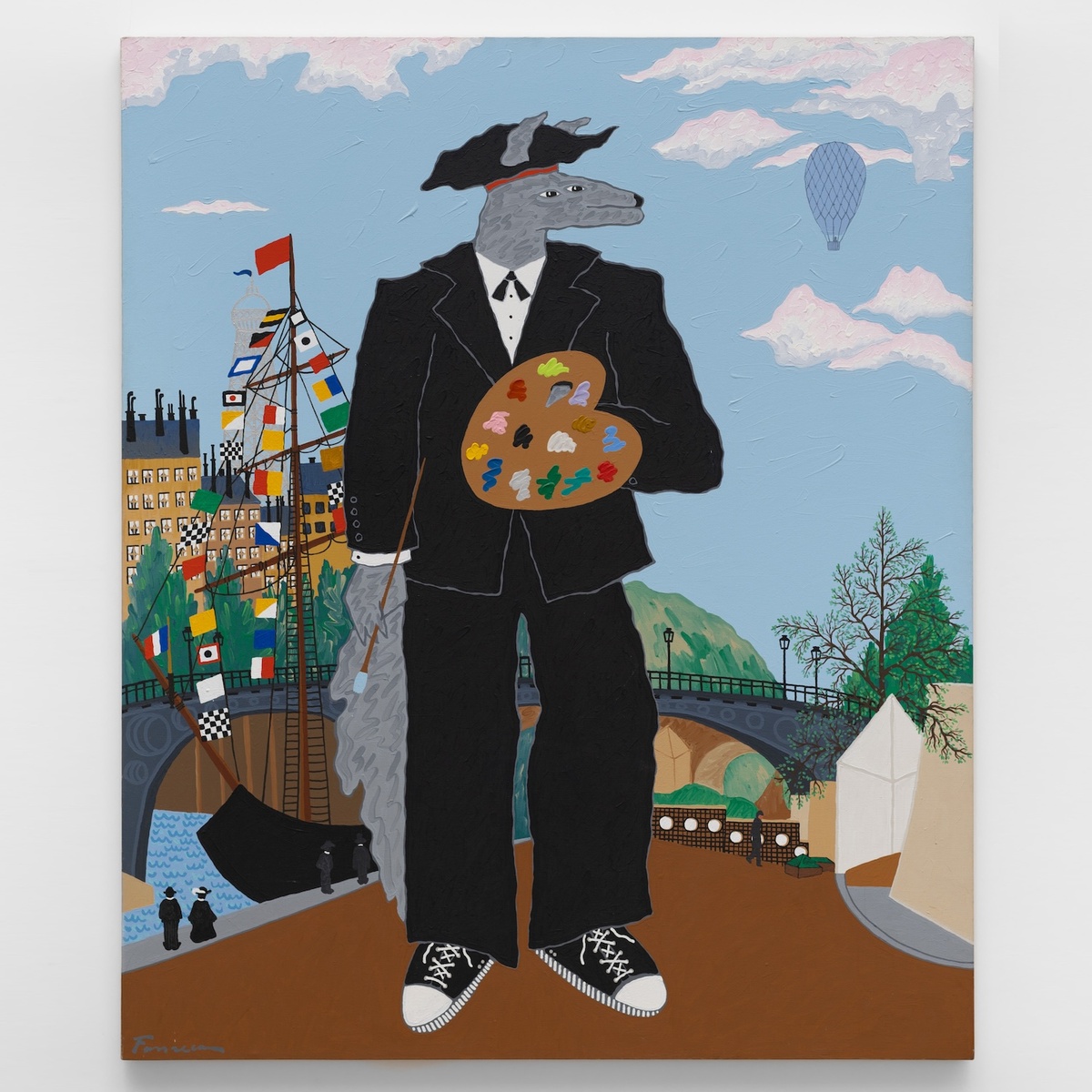
Harry Fonseca, Untitled--Rousseau Revisited, 1985. Acrylic on canvas. 72 x 60 inches.
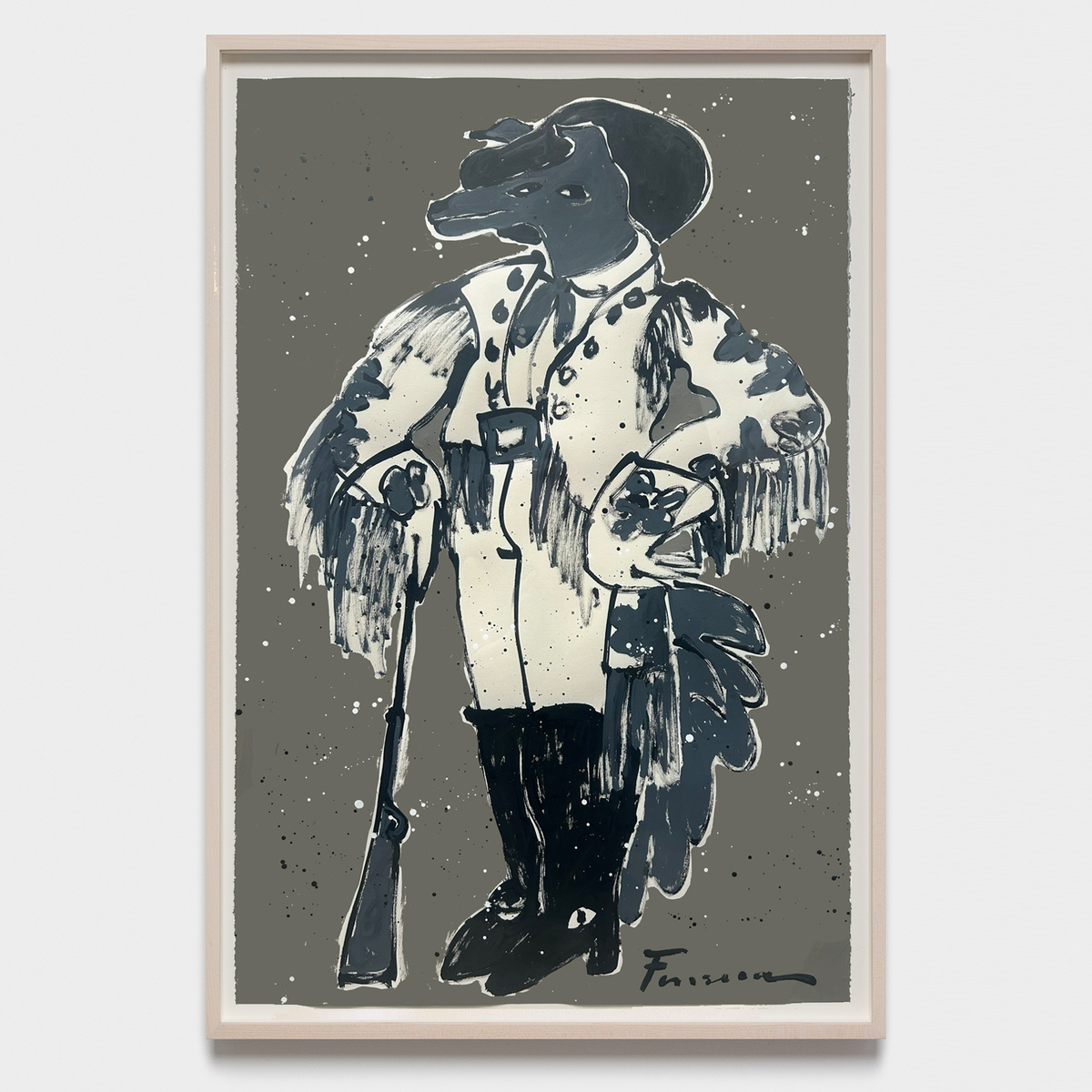
Harry Fonseca, Coyote as Buffalo Bill, 1987. Acrylic on paper. 40 x 26 inches.
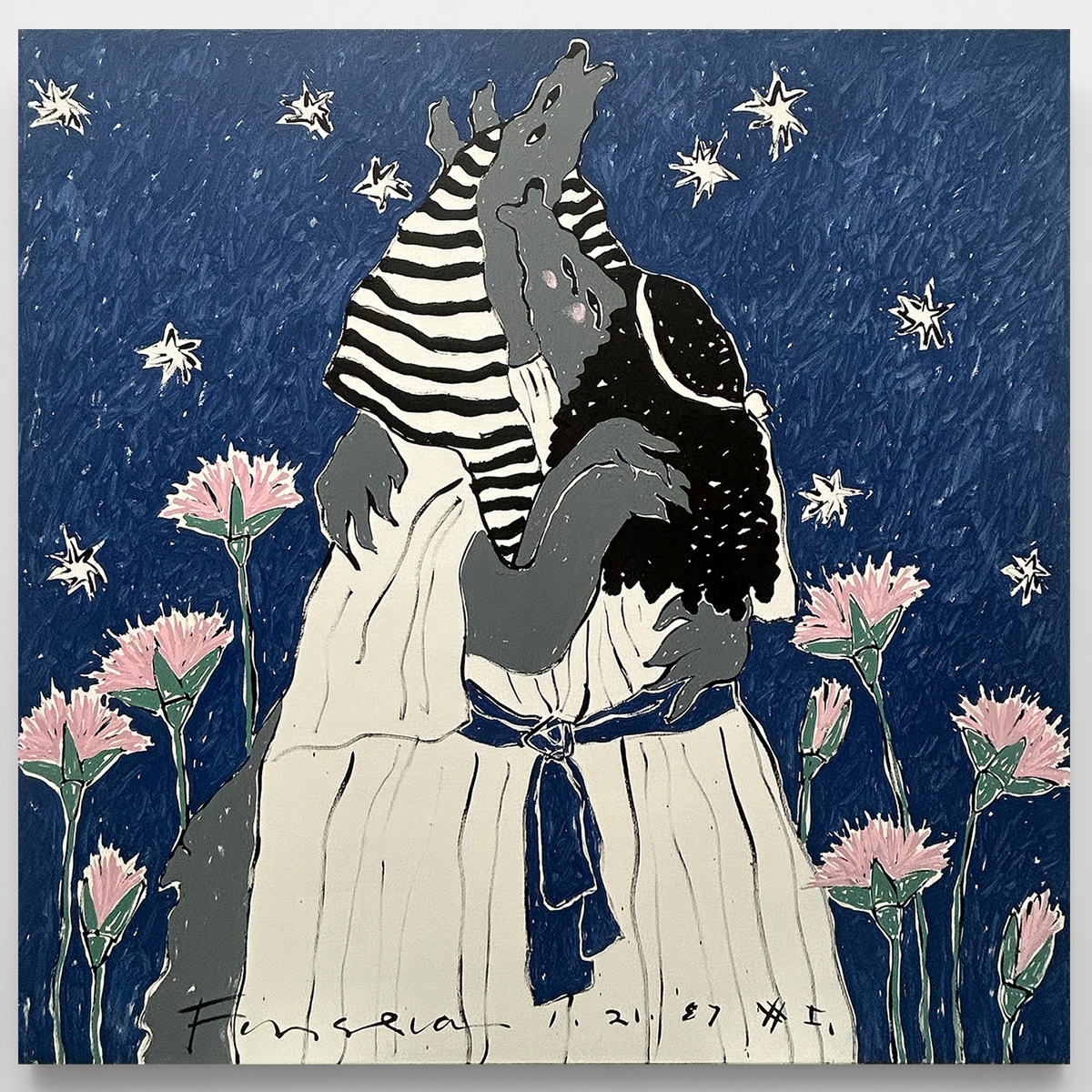
Harry Fonseca, Aida 1.21.87 #1, 1987. Acrylic on canvas. 36 x 36 inches.
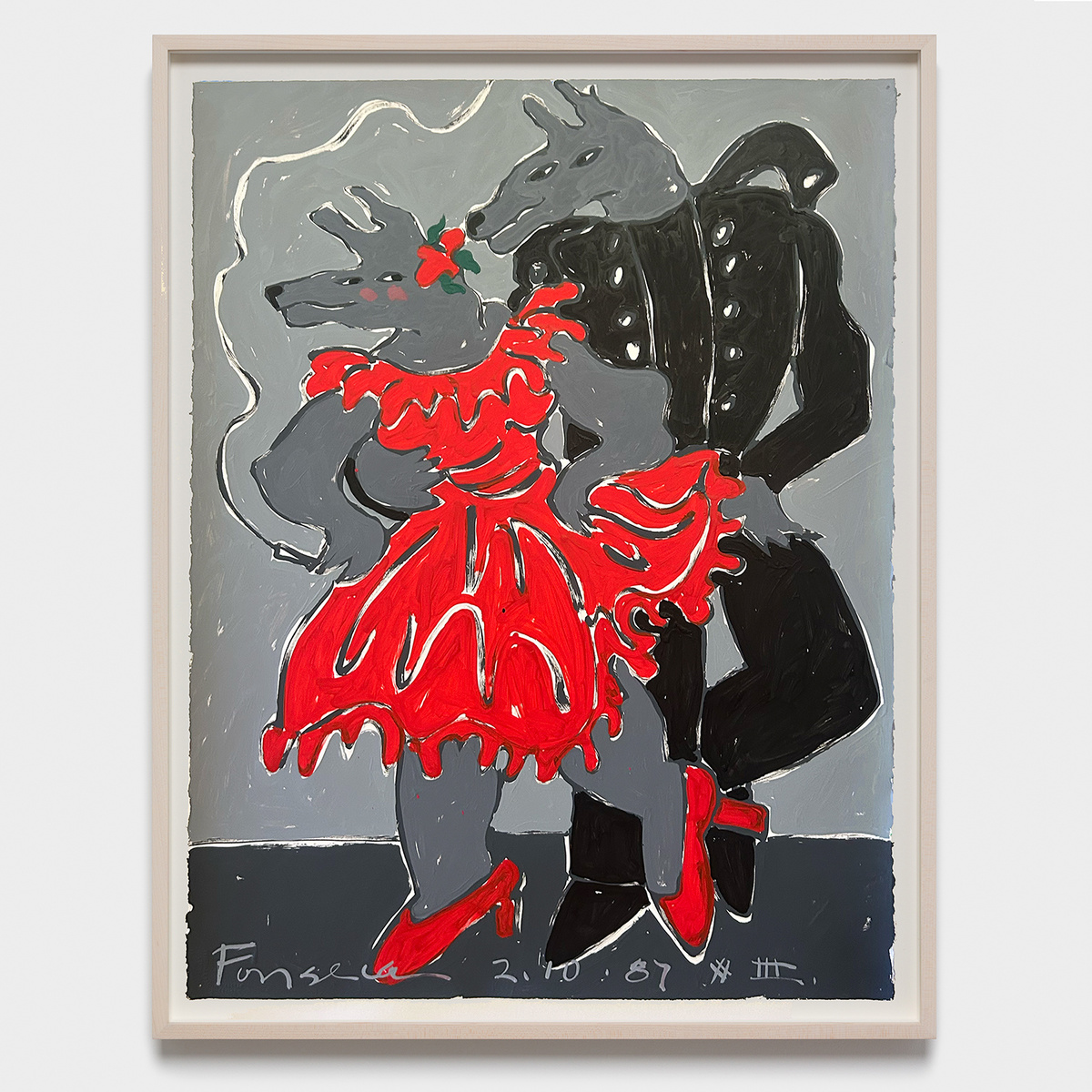
Harry Fonseca, Carmen 1st Act 2.10.87 #III, 1987. Acrylic on paper. 30 x 22 inches.
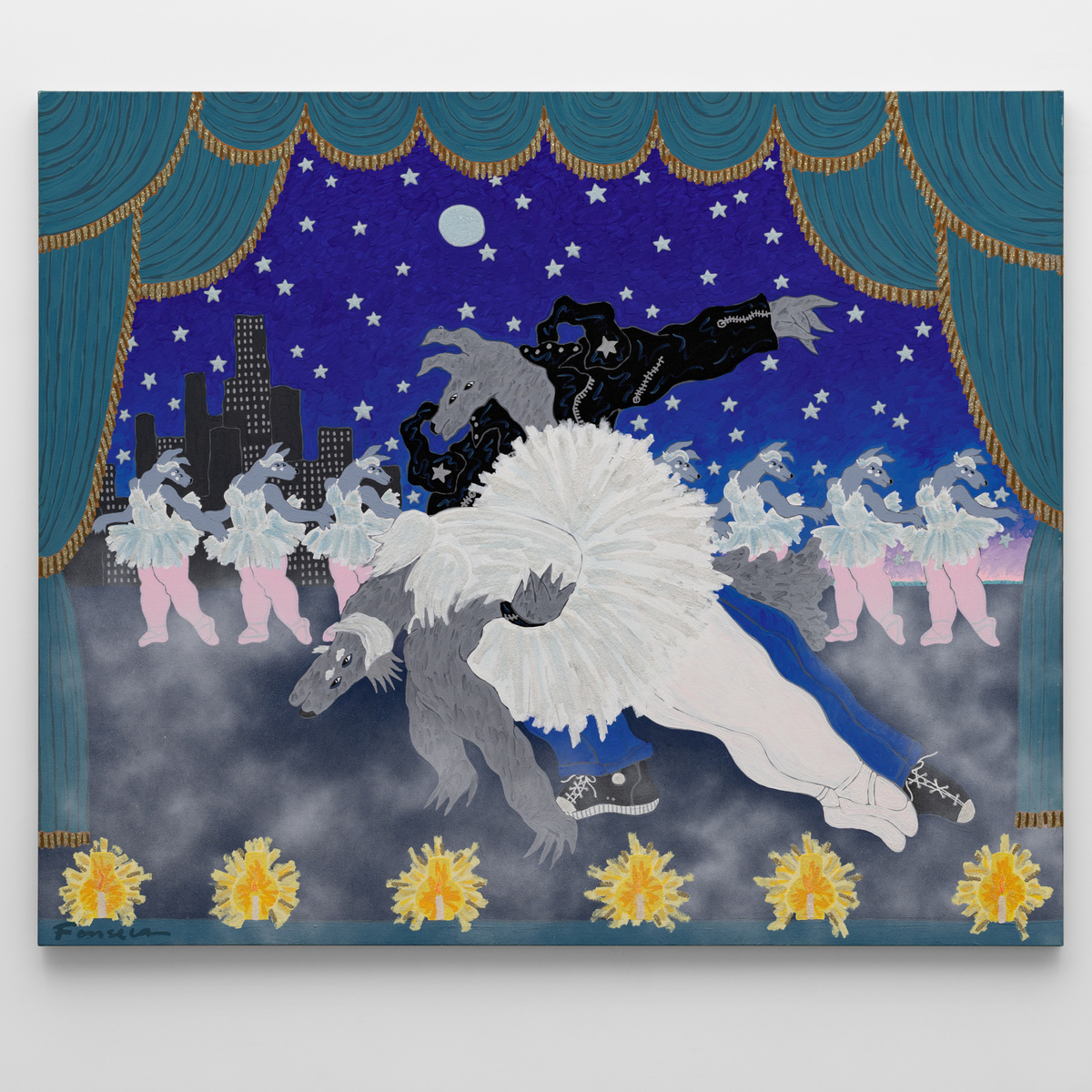
Harry Fonseca, Swan Dive Swan Lake Act II, 1984. Acrylic on canvas with glitter. 60 x 72 inches.
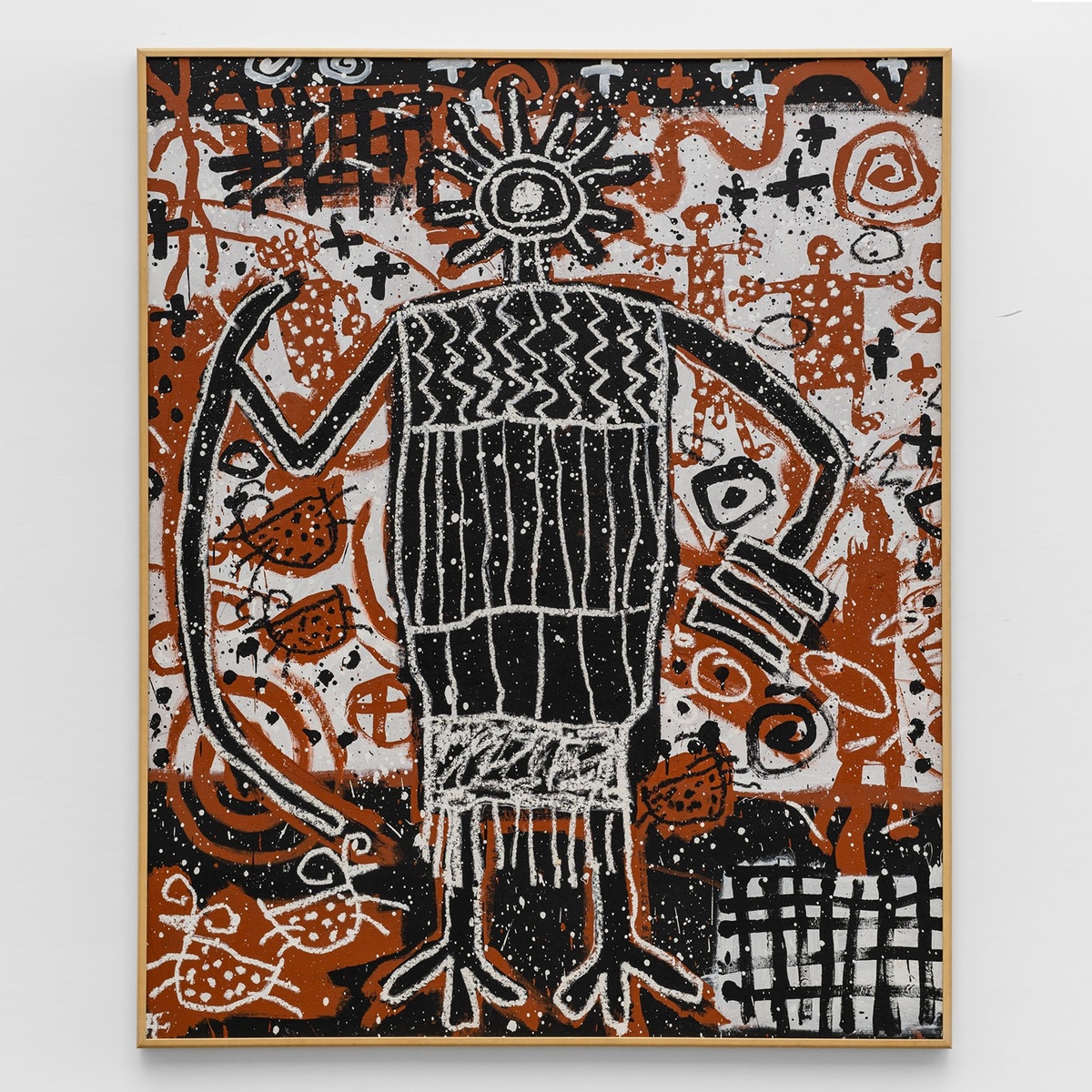
Harry Fonseca, Stone Poem 18, 1989. Acrylic and oil stick on canvas. 73 x 59 inches.
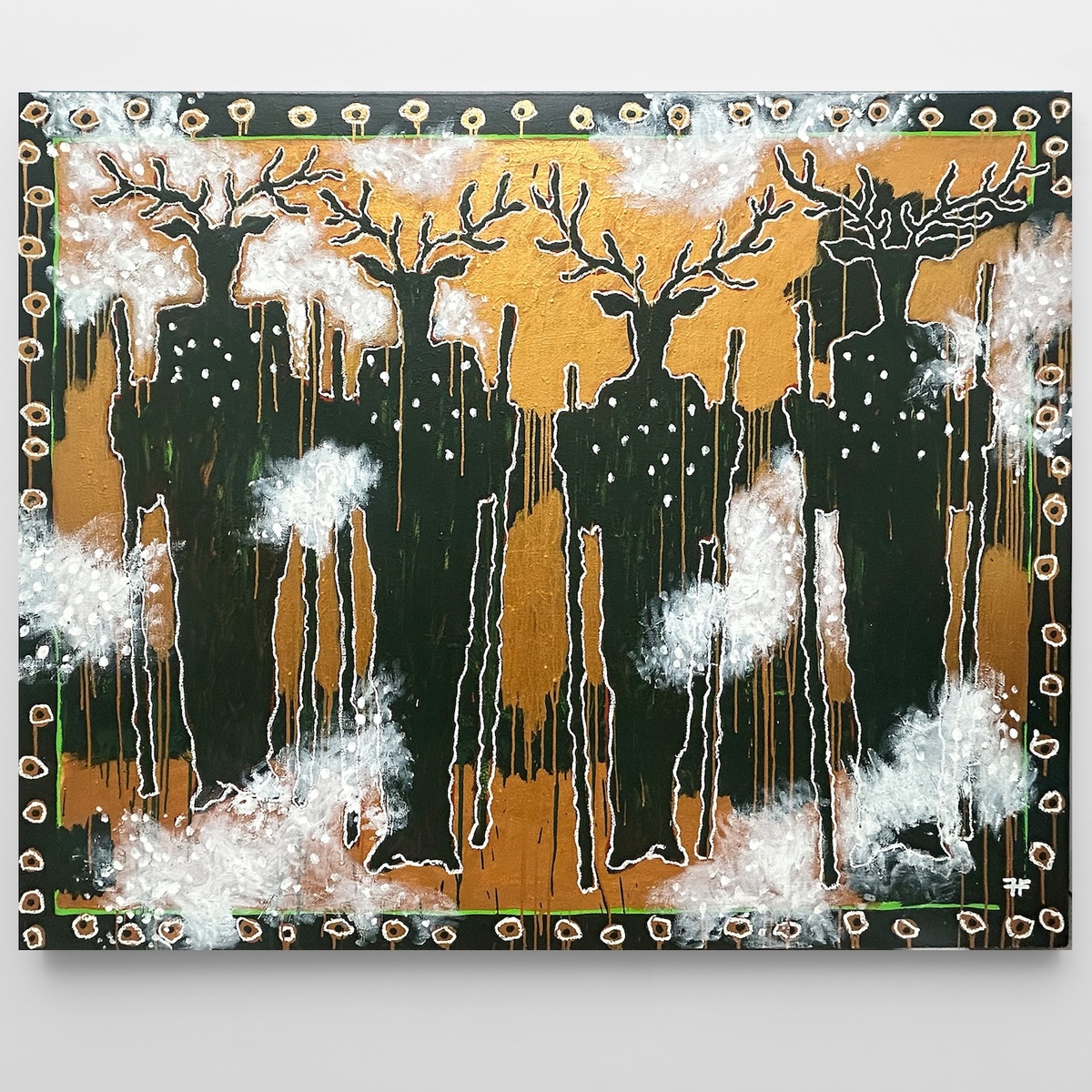
Harry Fonseca, Dialogue with Deer, 1996. Acrylic on canvas. 60 x 72 inches.